A nosocomial infection, also called a healthcare-associated infection, is an infection acquired by a patient during their stay in a healthcare facility, such as a hospital. This infection was neither present nor incubating at the time of admission. Nosocomial infections represent a significant public health challenge due to their frequency, their sometimes serious consequences, and the difficulty in completely preventing them. The risk of contracting a nosocomial infection is particularly high in vulnerable patients, those undergoing surgical procedures, or those receiving invasive treatments. To limit their occurrence in healthcare facilities, it is important to understand the mechanisms of transmission, identify risk factors, and implement effective prevention measures. What is a nosocomial infection?
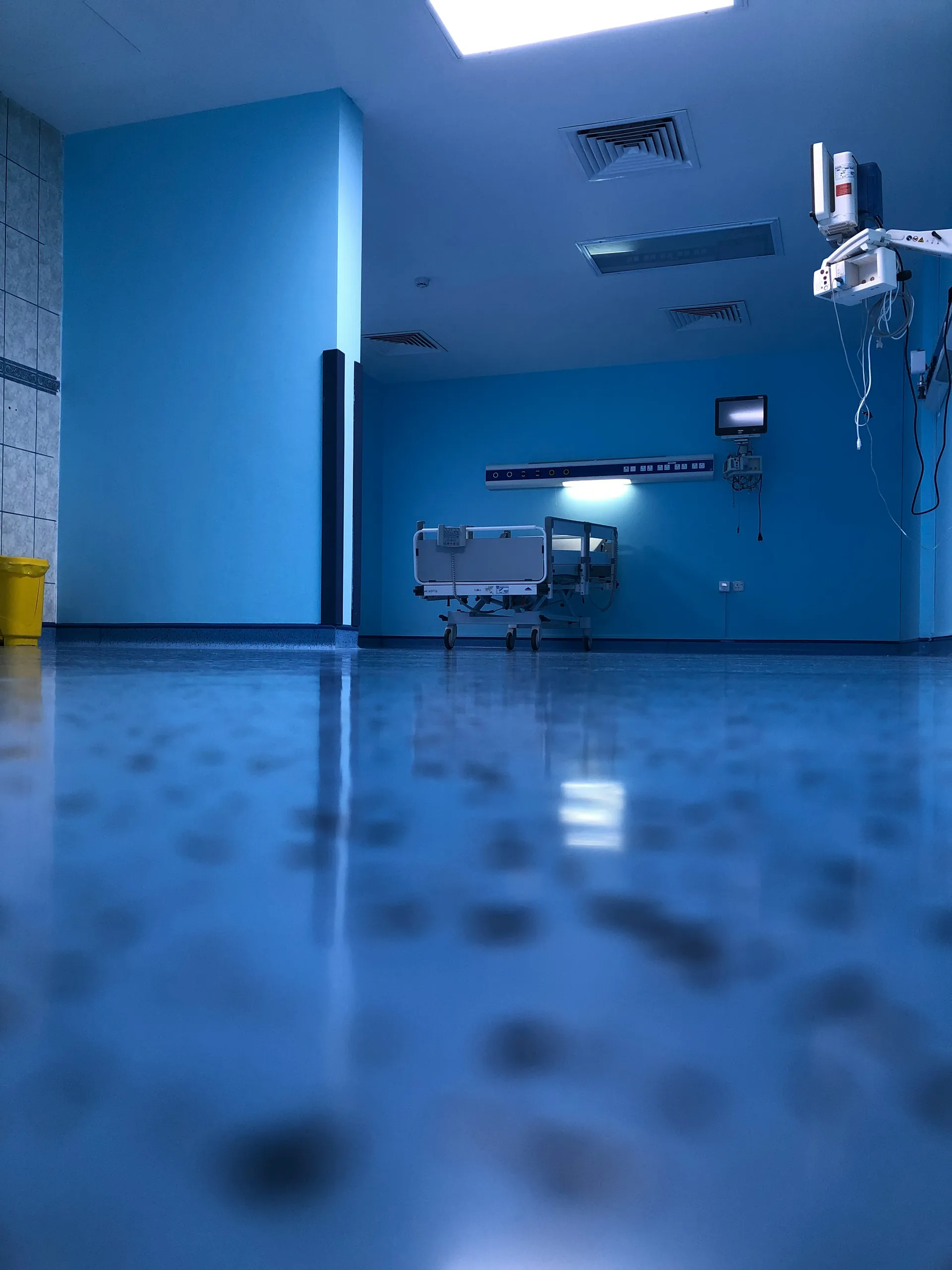
Definition and Context
A nosocomial infection is an infection acquired in a healthcare facility, such as a hospital or clinic, that was neither present nor incubating at the time of the patient's admission. To be classified as nosocomial, this infection generally appears at least 48 hours after admission. It can also occur up to 30 days after surgery, or even a year if foreign medical equipment has been implanted. This definition is based on precise epidemiological criteria, allowing us to distinguish healthcare-associated infections from community-acquired infections. These infections can be caused directly by a medical procedure or simply by exposure to the hospital environment. Statistics and impact on healthcare: Nosocomial infections represent a major challenge for healthcare facilities worldwide. Their prevalence varies from country to country and from facility to facility, but they affect a significant proportion of hospitalized patients. For example, some studies estimate that approximately 5 to 10% of hospitalized patients develop a nosocomial infection.
These infections lead to an increase in the length of hospital stay, a rise in healthcare costs, and a worsening of patients' health, particularly when resistant bacteria, such as resistant Staphylococcus aureus (MRSA), are involved. Rigorous surveillance of these infections is essential to improve the quality of care and implement effective prevention measures.
The main causes of nosocomial infections
Transmission of microorganisms
The main cause of nosocomial infections is the transmission of pathogenic microorganisms from one source to another, often between patients, visitors, and healthcare staff. This transmission can be direct, through hand contact (cross-infections), or indirect, via contaminated surfaces and medical equipment.
There are two origins:
- Endogenous: when the patient becomes infected with their own opportunistic germs.
- Exogenous: when they are contaminated by external agents, such as other patients or the hospital environment.
The hospital environment
The hospital environment constitutes an important reservoir of bacteria and other microorganisms, including resistant strains such as resistant Staphylococcus aureus (MRSA) or Pseudomonas aeruginosa. Air, water, medical equipment, and surfaces can become vectors if hygiene and disinfection standards are not strictly followed. Furthermore, high patient density and the frequency of surgical procedures significantly increase the risk of dissemination. Medical and surgical procedures: Invasive procedures, such as surgical interventions, catheter insertion, urinary catheterization, or other medical device insertions, create entry points for microorganisms. These procedures can disrupt the patient's natural defenses and promote the occurrence of healthcare-associated infections. Contamination can also occur due to insufficient handwashing or improperly sterilized medical equipment. Antimicrobial resistance: An aggravating factor is the presence of bacteria resistant to antibiotics, such as resistant Staphylococcus aureus or certain strains of Pseudomonas aeruginosa. This resistance complicates the treatment of nosocomial infections, increases the risk of complications, and prolongs hospital stays. The selection of these resistant bacteria is often linked to inappropriate use of antibiotics in healthcare facilities. Factors contributing to the occurrence of nosocomial infections src="https://cdn.prod.website-files.com/61f1c5bbc327ec3679e7457c/6887197ae737df6e4180fd7f_76151839238.webp" width="auto" height="auto" loading="auto">
The role of healthcare staff
Healthcare staff play an essential role in the prevention and spread of nosocomial infections. Insufficient hand hygiene or failure to strictly adhere to aseptic protocols during care can promote the transmission of bacteria between patients. Furthermore, improper use of personal protective equipment exposes not only patients but also caregivers to an increased risk of infection. Medical devices and hospital equipment: Invasive medical devices, such as catheters, urinary probes, and ventilation tubes, represent major risk factors. They constitute direct entry points for microorganisms. Prolonged use or inadequate sterilization of these devices can significantly increase the likelihood of a hospital-acquired infection.
Patient Vulnerability
Some patients are particularly vulnerable to hospital-acquired infections, including the elderly, newborns, immunocompromised individuals (such as those with HIV or undergoing chemotherapy), burn victims, and polytrauma patients. Their weakened immune systems, along with often high levels of comorbidity, increase the risk of infections during hospital stays.
Hygiene and Disinfection Practices
Poor application of hygiene and disinfection practices in healthcare facilities contributes to the persistence and spread of bacteria responsible for hospital-acquired infections. Failure to comply with rules regarding surface cleaning, instrument sterilization, or hospital waste management increases the risk of infection for patients.
Most Frequent Types of Nosocomial Infections and Their Specific Causes
Surgical Site Infections
Surgical site infections generally occur after a surgical procedure, when microorganisms contaminate the surgical wound. These infections are often caused by bacteria present on the patient's skin or introduced through surgical instruments. Staphylococcus aureus, particularly its resistant form (MRSA), is frequently implicated. These infections can lead to delayed wound healing, require prolonged treatment, and increase the risk of serious complications. Catheter-Associated Urinary Tract Infections (UTIs) are the leading cause of hospital-acquired infections. They are primarily linked to the use of urinary catheters, which create a direct access route to the urinary tract. This facilitates the penetration of bacteria such as Escherichia coli. Elderly patients or those in intensive care are particularly vulnerable.
These infections can range from simple cystitis to serious complications, such as kidney infections.
Catheter-Related Bloodstream Infections
Venous catheters, especially when used for long periods, are a common source of nosocomial bloodstream infections. Bacteria can colonize the catheter surface and spread into the bloodstream, leading to potentially severe sepsis.
The microorganisms responsible often include resistant bacteria, such as resistant Staphylococcus aureus.
Rigorous sterilization and careful monitoring of devices are essential to limit these infections.
Ventilation-associated pneumonia
Nosocomial pneumonias occur frequently in patients on mechanical ventilation. The endotracheal tube used in this context facilitates the colonization of the airways by pathogenic bacteria, such as Pseudomonas aeruginosa.
These pneumonias often complicate hospital stays, particularly in intensive care, with high mortality if they are not treated promptly.
Prevention and intervention strategies
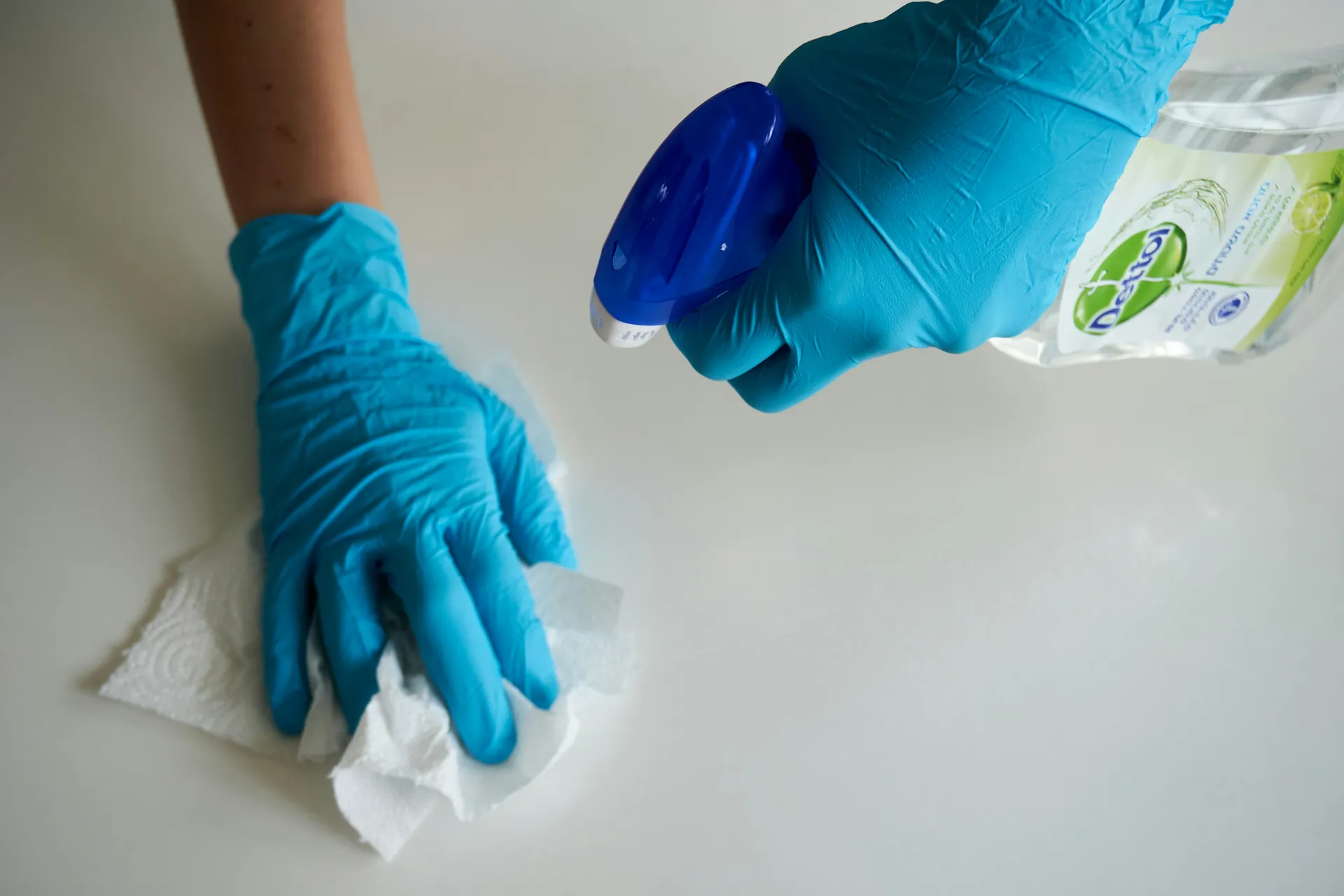
Strengthening hygiene protocols
Strengthening hygiene protocols is one of the most effective ways to combat nosocomial infections. This involves the rigorous application of standard precautions, such as hand hygiene at key times, systematic disinfection of surfaces and equipment, and the proper wearing of effective preventive measures. These practices help prevent cross-transmission of bacteria and other pathogenic microorganisms in all hospital departments, particularly in sensitive areas such as operating rooms and intensive care units.
The Importance of Surveillance and Monitoring of Infections
Active surveillance of healthcare-associated infections is essential to accurately measure their prevalence within a healthcare facility. This approach relies on the regular collection of data, its microbiological analysis, and the production of detailed reports. It allows for the rapid detection of infectious outbreaks, the guidance of appropriate preventive measures, and the evaluation of their effectiveness. Specialized teams, as well as infection control committees, play a central role in this monitoring, which is an essential pillar in the fight against these infections. Training and education of healthcare staff: Continuing education and training of healthcare staff are key elements to ensure adherence to best practices. Raising awareness of hygiene practices, the correct use of medical devices, and the management of risks related to healthcare-associated infections helps reduce the risk of transmission. These training programs, integrated into hospital policies, are regularly updated to include the latest innovations and research findings. Technological innovations to reduce risk: Technological advances are playing an increasingly important role in the prevention of nosocomial infections. Among them are medical devices with antibacterial surfaces, automated sterilization systems, and sensors for monitoring hand hygiene. Furthermore, digital tools facilitate infection surveillance and real-time management of corrective actions, thus improving patient safety and optimizing effectiveness. Conclusion: Nosocomial infections are a major challenge for patient safety and quality of care in healthcare facilities. Their occurrence is primarily linked to the transmission of microorganisms, patient vulnerability, and the use of invasive medical devices. To effectively combat these infections, it is essential to strengthen preventive measures. This involves the rigorous application of hygiene protocols, ongoing and appropriate training for healthcare staff, and increased and systematic monitoring. By adopting these best practices and actively supporting education and health innovation initiatives, you can play a key role in reducing hospital-acquired infections and contribute to greater safety for all patients. FAQ What is the most common hospital-acquired infection? The most common hospital-acquired infection is a urinary tract infection, followed by respiratory tract infections, surgical site infections, and bloodstream infections. These infections affect approximately 5% of hospitalized patients in France, with Escherichia coli being the most frequently implicated bacterium. What are the signs of a hospital-acquired infection? The signs of a hospital-acquired infection vary depending on its location. They include: fever, chills, aches and pains, cough, shortness of breath, vomiting, headache, and chest pain. For a urinary tract infection, typical symptoms are: burning, frequent urination, pelvic heaviness, and cloudy urine. Inflammation or discharge may also be present.
How to get rid of a hospital-acquired infection?
To eliminate a hospital-acquired infection, it is essential to identify the responsible bacteria through a swab. Then, targeted antibiotic treatment is prescribed based on the results of the antibiogram.
In some cases, removal or replacement of invasive devices may be necessary, or even surgery to drain the infected area. Rigorous monitoring ensures the effectiveness of the treatment.
What are the 4 types of infections?
The 4 types of infections are:
- Viral infection: caused by viruses.
- Bacterial infection: caused by bacteria.
- Fungal infection: caused by fungi.
- Parasitic infection: resulting from parasites such as protozoa.
These classifications cover the majority of human infections.