The Safe March Ryan protocol is an effective tactical first aid method, designed to intervene during serious emergencies, particularly in military or crisis contexts. It offers a structured framework for the rapid treatment of an injured casualty, prioritizing massive bleeding using tools such as tourniquets or compression bandages, while ensuring safe evacuation. This protocol is based on three key steps: SAFE to secure the area and eliminate threats, MARCHE to treat life-threatening conditions such as bleeding and respiratory problems, and RYAN for continuous reassessment, including the prevention of shock and hypothermia. Adopted by recognized institutions such as the Desgenettes Military Hospital and For CITERA Lyon, this protocol is essential for any professional or volunteer working in a hostile environment. Mastering these steps ensures rapid intervention and reduces errors in extreme conditions.
Understanding the Safe March Ryan Protocol

Origin and Necessity of the Protocol
The Safe March Ryan protocol was originally designed in a military context to meet the specific needs of the Tactical first aid on the battlefield. Originating from Tactical Combat Casualty Care (TCCC) developed in the 1990s, it aims to structure the care of casualties in hostile environments where the safety of the first aider may be compromised. Its main objective is to reduce preventable mortality by providing responders with a clear, hierarchical, and mnemonic guide for essential emergency procedures. This protocol was subsequently adapted for civilian use as Tactical Emergency Casualty Care (TECC). This demonstrates its relevance in all crisis situations, particularly during the evacuation of a seriously injured victim.
Composition and Steps of the Protocol
The Safe March Ryan protocol is structured in three complementary phases, each represented by an acronym that guides the actions to be taken:
SAFE constitutes the first step. It focuses on securing the area and the initial assessment in order to neutralize any immediate threat that could compromise patient care.
MARCHE defines the intervention priorities for the injured person. This phase emphasizes critical points such as the control of massive bleeding, the management of breathing, and the prevention of shock. Each action is designed to maximize the chances of survival in an emergency situation.
This methodical approach optimizes the use of resources and equipment, such as tourniquets or bandages, while increasing the chances of survival.
The "SAFE" component: Securing and initial assessment
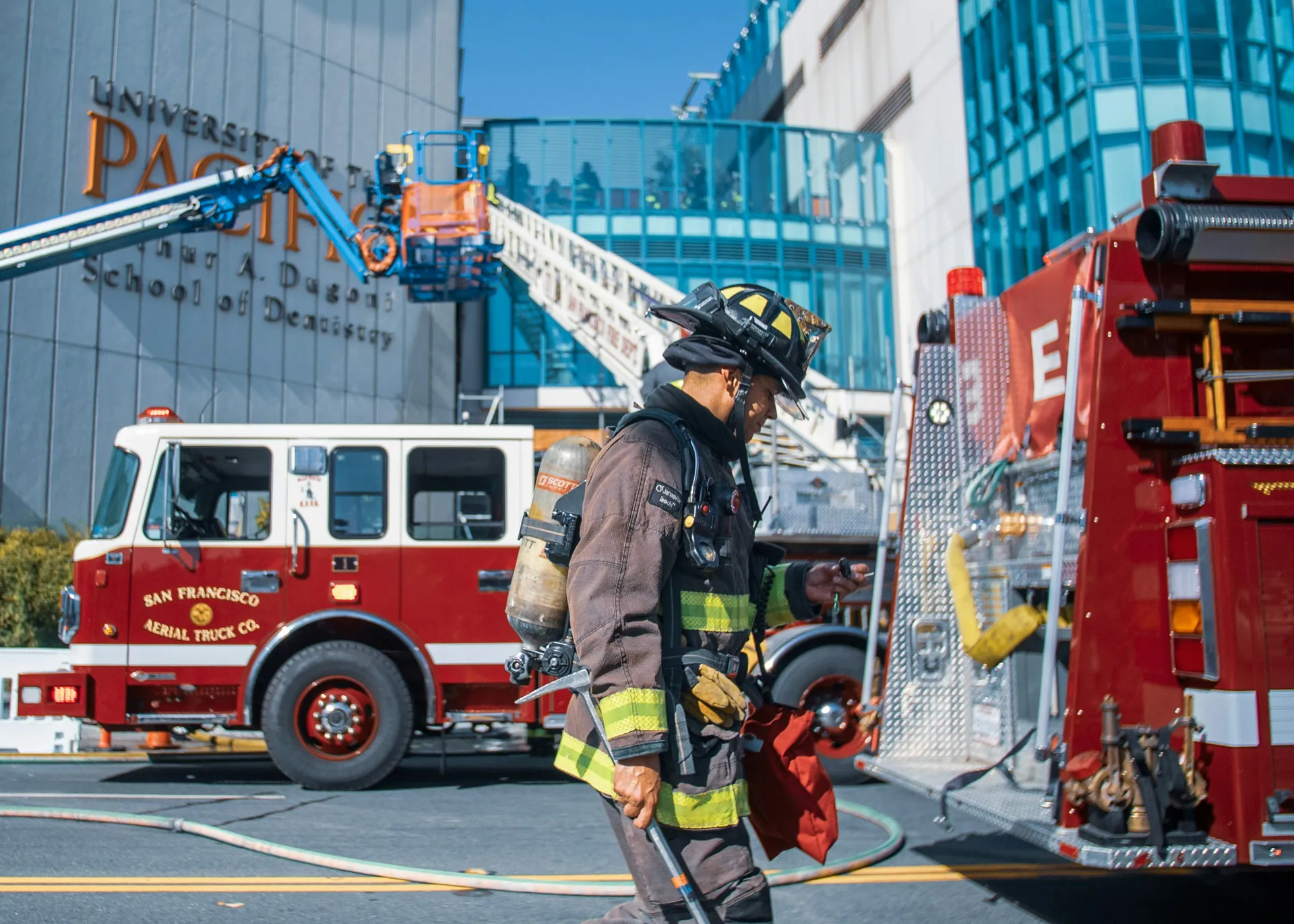
Stop the burning process / Eliminate the threat
The first step of the SAFE protocol, "Stop the burning process," consists of eliminating or neutralizing any immediate threat present at the scene of the incident. This involves stopping what directly endangers the victim, but also the rescuer. This phase may include responding to an attack or quickly sheltering the injured and responders to prevent the situation from worsening.
Without this prior securing, no effective care of the injured is possible.
Access the scene / Assess the situation
Once the area is secured, it is essential to assess the scene. This includes identifying the number of injured, any remaining hazards, and the nature of the injuries sustained. This observation allows for prioritizing actions, organizing the necessary equipment, and preparing for a possible move using the "pick and run" method, which involves quickly removing the victim from danger and placing them in a safer environment.
Free of danger for you / Being out of danger yourself
To ensure optimal care, the first responder must ensure they are personally out of danger. This involves assessing their own environment and taking all necessary precautions to avoid injury. By remaining safe, the first responder can intervene calmly and effectively, without compromising the rescue mission.
Evaluate the casualties / Evaluate the injured
The final phase of the SAFE component is the assessment of the injured. This rapid assessment allows for the differentiation of the most serious cases and the execution of an initial triage. It includes:
- Checking the level of consciousness.
- Detecting any visible or massive bleeding.
- Recognizing signs of airway obstruction.
This step is essential to determine medical intervention priorities before proceeding to the MARCH phase.
The "MARCH" phase: Urgent intervention
Massive Bleeding
The first priority in the MARCH component is the control of massive bleeding. Rapid blood loss is the leading cause of preventable mortality in the field. To stop the bleeding, a tourniquet or a suitable compression bandage should be applied immediately. These actions must be performed rigorously and effectively, as any delay or insufficient treatment can lead to irreversible hemorrhagic shock.
Airways
Once the bleeding is controlled, it is imperative to pay attention to the victim's airway. The rescuer must ensure that the breathing routes are clear and intervene with simple maneuvers, such as clearing the airway or placing the victim in the recovery position. A delay at this stage can seriously compromise breathing and lead to rapid hypoxia.
Breathing and Circulation
After securing the airway, it is essential to assess breathing and blood circulation. Any respiratory distress or circulatory insufficiency must be detected and treated quickly. The protocol emphasizes the importance of preventing shock by maintaining the victim's perfusion and respiratory function. This helps limit complications and facilitates stabilization. Shock: Checking for Radial Pulse. To detect the risk of shock, the rescuer must check for the presence of a radial pulse. The absence or weakness of this pulse indicates inadequate blood perfusion, requiring urgent care and appropriate treatment. This check is a key indicator for assessing the severity of the injured person's hemodynamic status. Head Injury / Traumatic Brain Injury and Hypothermia: It is essential to check for the presence of a head injury or signs of hypothermia, as both of these complications are frequent and potentially fatal. Management of head injury relies on rigorous neurological monitoring and appropriate stabilization. As for preventing hypothermia, it requires appropriate thermal protection to avoid further compromising the victim's prognosis. Everything else / Evacuation and everything else: Once life-threatening priorities have been addressed, the rescuer must organize the evacuation of the injured person, ensuring that any secondary injuries are secured and stabilized, even if they are not immediately life-threatening. This step is essential to optimize subsequent medical care during transfer to a specialized center, such as the Desgenettes Military Hospital in Lyon or the CITERA in Lyon. Each additional action taken aims to maintain the injured person's stability while awaiting the arrival of advanced care. The "RYAN" component: Reassessment and advanced care src="https://cdn.prod.website-files.com/61f1c5bbc327ec3679e7457c/68c7dc0e6e294a9c548b131c_66459227240.webp" width="auto" height="auto" loading="auto">
Reassess the patient
The RYAN component represents an essential reassessment step after the initial interventions performed within the MARCHE protocol. This phase consists of methodically examining each treated point to ensure the effectiveness of the procedures performed, such as maintaining or adjusting the tourniquets and bandages. It also allows for the detection of any potential worsening of injuries and the adaptation of care accordingly, while preparing the victim for a safe evacuation.
Eyes and Specific Treatments
During this stage, a thorough examination of the eyes and the neurological system is recommended to identify any injuries that may have gone unnoticed during initial care, particularly in cases of head trauma. This rapid neurological assessment includes evaluating pupillary response and level of consciousness, allowing for referral to specific treatments or enhanced medical monitoring if necessary.
Analgesics and Pain Management
Pain management is an integral part of advanced care. Administering analgesics, when possible and appropriate, is essential to improve the comfort of the injured person while reducing their stress level. Particular attention is paid to avoiding any worsening of the patient's condition, favoring methods compatible with existing injuries. Cleaning wounds and preventing infection: Wound cleaning is an essential step to prevent any risk of infection. Although tactical first aid takes into account sometimes difficult conditions, it emphasizes the importance of rigorous antisepsis and the use of sterile bandages. This approach helps reduce post-traumatic complications and preserve the victim's functional prognosis until transfer to a specialized hospital. Conclusion: The Safe March Ryan protocol is an essential tool for effective emergency response. It combines tactical first aid, the SAFE protocol for securing the victim, the MARCHE protocol for managing life-threatening emergencies, and the RYAN protocol for advanced care and reassessment. Mastering these steps is essential for saving lives, while also optimizing the use of equipment and techniques, such as tourniquets and the management of massive bleeding. We strongly encourage you to train today so you are ready to respond quickly and effectively in critical situations.
FAQ
How does Safe Marche Ryan help save lives and what first aid steps and techniques are taught?
Safe Marche Ryan helps save lives by emphasizing priority first aid techniques, particularly in military or extreme situations. Here are the main steps:
- SAFE: Secure the area to avoid any immediate danger.
- MARCHE: Treat critical injuries according to their severity, including massive bleeding, respiratory problems, shock, and hypothermia.
- RYAN: Manage less urgent secondary injuries while preparing for evacuation.
These actions, performed quickly and effectively, maximize the chances of survival in hostile situations or those involving multiple casualties.
Who can take the Safe March Ryan training and what are the prerequisites?
Safe March Ryan training is primarily intended for military personnel, as it is an integral part of their initial combat casualty care training. It is designed to teach the necessary first aid techniques in extreme conditions, in order to protect and quickly care for a casualty in the field.
No specific prerequisites are mentioned, other than having been exposed to military situations requiring these skills.
How long is the Safe March Ryan training and does it lead to a recognized certification?
Safe March Ryan training is included in the initial training program for the Armed Forces Health Service. However, its precise duration is not specified in the available sources.
It confers a recognized skill in the field of tactical first aid, particularly in the military environment. Nevertheless, it is not indicated that it leads to an official civilian certification.