The white plan is a key mechanism for managing crises in healthcare facilities, such as hospitals and university hospitals. Its objective is to rapidly organize the care of a large number of patients during exceptional health situations, whether accidents, epidemics, or other emergencies. Integrated into the ORSAN system, it mobilizes human, material, and organizational resources to maintain continuity of care despite hospital strain. This plan is activated by the facility's management or at the request of a state representative. A crisis unit is then established to coordinate actions: adapting the healthcare services offered, recalling healthcare staff, and internal reorganization. This structured approach allows for better management of critical situations while ensuring the safety of patients and staff.
What is the White Plan?
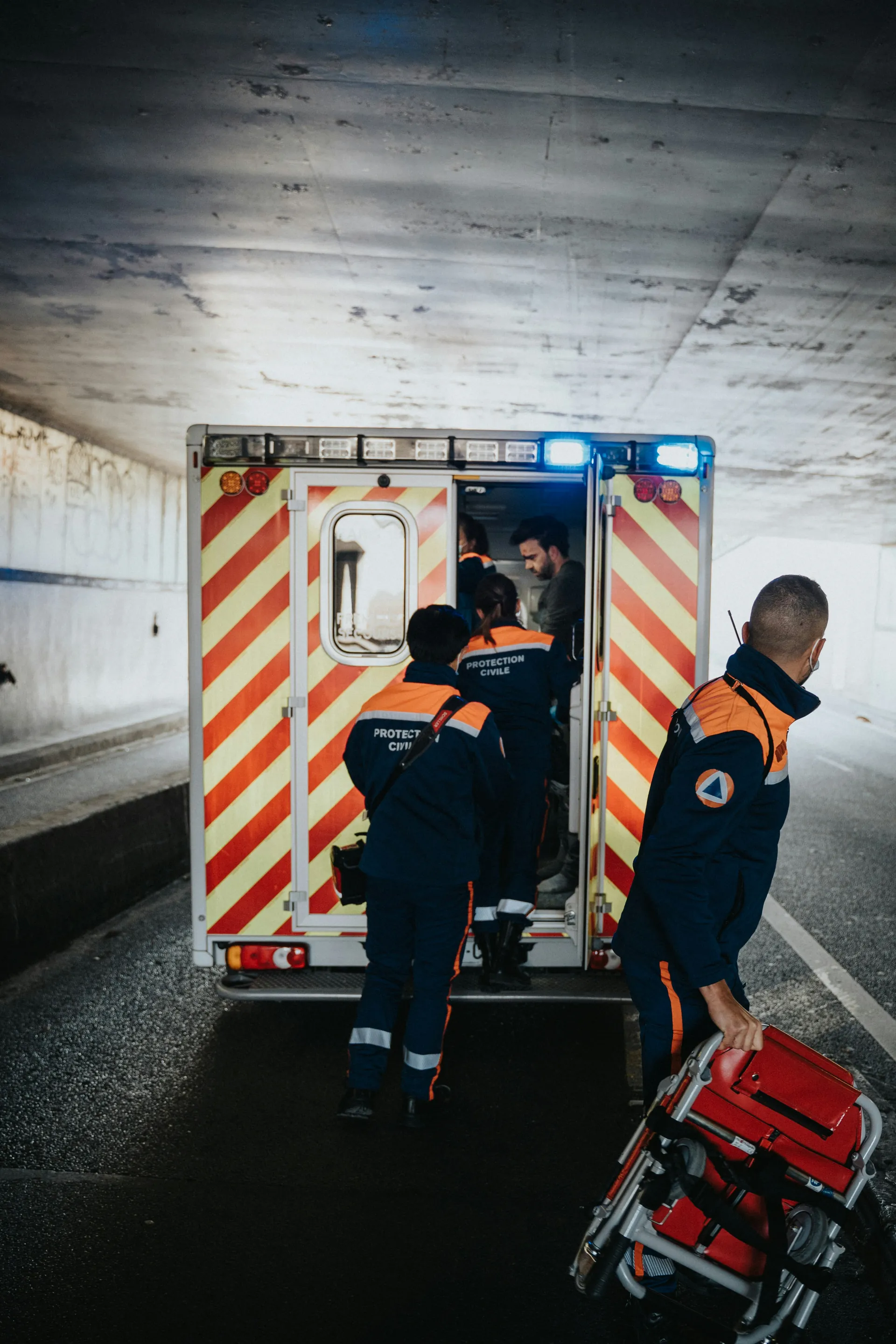
Definition and Objectives
The White Plan is a mandatory crisis management system for All healthcare facilities, established by law since 2004. It allows a hospital, whether public or private, to immediately mobilize all its human and material resources to respond to a massive influx of patients or an exceptional health situation. The main objectives of this plan are to ensure the continuity of care, to organize optimal patient care, and to effectively manage hospital strain that may result from such situations. By integrating the ORSAN system, the emergency plan includes general and specific measures adapted to the nature and severity of the crisis. It relies in particular on the establishment of a crisis unit, the optimization of resource management, and a rigorous organization of hospital services to meet healthcare needs. In short, the emergency plan is an essential tool for preparing healthcare facilities for any exceptional health situation, whether it be a natural disaster, a major accident, or an epidemic. The different levels of the emergency plan: The emergency plan has several activation levels, which correspond to the intensity of the crisis and the resources needed to address it. The first level involves an internal mobilization of the institution's resources, notably by recalling volunteer healthcare staff and temporarily increasing capacity by opening additional beds in the wards.
In the event of a worsening situation, the emergency plan can evolve to an expanded level, called the "expanded emergency plan, which applies at the departmental level. This second level is triggered when the resources of an individual facility are no longer sufficient to manage the influx of patients or victims. It then requires enhanced coordination between several healthcare facilities, the Regional Health Agency (ARS), and state representatives, in order to organize a collective response adapted to the crisis. This gradual transition between the different levels allows for a phased and tailored management of hospital healthcare strain, thus ensuring optimal organization and a more effective response to situations of high pressure on the healthcare system. Triggers of a White Plan: Crisis Situations Justifying its Activation. The White Plan is designed to respond to crisis situations requiring a rapid reorganization of healthcare facilities. These crises include, in particular:
- Severe epidemics, such as aggressive influenza or Covid-19.
- Major disasters such as mass accidents, terrorist attacks, or natural disasters.
- CBRN (chemical, biological, radiological, and nuclear) incidents.
Each exceptional health situation may require a specific adaptation of the emergency plan. For example, targeted measures such as the ORSAN-VAC plan for epidemics or the ORSAN-NRC plan for chemical or radiological risks can be activated. In these contexts, the emergency plan allows for the mobilization of all hospital resources to manage a large influx of patients or victims, while limiting the impact on ongoing care. This includes:
- The suspension or postponement of certain scheduled procedures.
- The early release of beds.
- The reconfiguration of services, such as the emergency department, to better accommodate and treat patients in a context of hospital strain.
Who decides to activate the emergency plan?
The decision to activate the emergency plan rests primarily with the director or the head of the healthcare facility concerned. The director assesses the severity of the situation and the facility's capacity to cope with it before officially launching the plan. Once activated, the director immediately informs the prefect of the department, who then forwards the information to health authorities such as the Regional Health Agency (ARS), the emergency medical services (SAMU), and local authorities. In the event of a major health crisis on a larger scale or a national emergency, a representative of the State can also order the activation of the emergency plan to coordinate the response across a wide geographical area. This decision often involves:
- The establishment of a dedicated crisis unit.
- The management of human and logistical resources.
- A structured organization to ensure effective communication within the hospital.
Thanks to this coordination, the emergency plan guarantees consistent and optimal crisis management.
Implementation of the emergency plan

Creation of a Crisis Unit
When the white plan is activated, a crisis unit is immediately established. This operational unit comprises a multidisciplinary team responsible for coordinating the management of the exceptional situation.
It is led by the director of the establishment or their representative, who is responsible for communication with the authorities, the Regional Health Agency, and the media.
The coordinating physician is responsible for organizing the mobilization of healthcare staff and the reorganization of services, while communication, security, logistics, and technical managers handle information, site security, equipment management, and patient capacity, respectively. This unit plays a central role in adapting hospital activities to the crisis and in making rapid and coordinated decisions. Reorganization of Services and Care: The emergency plan requires a rapid reorganization of hospital services to optimize patient care. This includes suspending or postponing non-urgent activities to free up capacity, reallocating beds, and creating dedicated areas for victims in certain departments, particularly the emergency room and intensive care unit. This reorganization also aims to prioritize critical care related to the exceptional health situation while maintaining the quality of other essential care, such as that provided to patients with chronic illnesses or cancer. The objective is to ensure a smooth operation, limiting the risk of service saturation and facilitating the movement of patients and staff. Mobilizing Human and Material Resources: Human mobilization is a key element in the implementation of the emergency plan. The plan includes the systematic recall of healthcare staff to the site or as reinforcements, increasing team sizes, and managing overtime and team changes to prevent healthcare worker burnout. On the logistical side, the crisis unit coordinates the availability of medical equipment, beds, medications, and protective gear. In the event of a specific incident, such as a CBRN accident, specific measures such as the establishment of buffer zones or the distribution of protective equipment are deployed. This comprehensive mobilization guarantees a rapid and appropriate response to the needs related to the hospital crisis.
The stakes and challenges of activating the emergency plan
Internal and external communication
Communication is a major issue when activating the emergency plan. Internally, it must guarantee a smooth and rapid flow of information between the crisis unit, the care teams, management, and hospital staff.
Clear communication helps avoid misunderstandings, coordinates the mobilization of resources, and maintains the morale of healthcare workers in the face of increased pressure.
Externally, the aim is to inform health authorities, state representatives, and the general public in order to manage expectations and ensure transparency regarding the hospital situation and the measures taken. External communication often relies on authorized spokespeople and institutional resources, particularly those of the Ministry of Health. Managing the Influx of Patients: One of the central challenges lies in managing the massive influx of patients, which severely strains the capacity of healthcare facilities to receive and care for them. It is necessary to organize the rapid and appropriate referral of patients according to the severity of their condition, avoiding the saturation of emergency departments and operating rooms. This management also implies a real-time review of the healthcare offering to adapt staffing levels, available beds, and necessary equipment, while ensuring continuity of care for patients already hospitalized. Hospital strain results in complex trade-offs that must protect patient safety throughout the healthcare system. Specific support for families: Finally, welcoming patients' families is a delicate but essential issue. In a crisis, providing psychological support and regular updates to the families of victims helps to calm the situation and strengthen their trust in the institution. Setting up dedicated spaces for this support, staffed with trained personnel, allows us to meet their needs for understanding and support. This human aspect of the emergency plan is sometimes underestimated, even though it plays a key role in the overall management of the hospital crisis. Conclusion: The emergency plan is an essential tool for ensuring effective management of hospital crises. It allows for a rapid mobilization of resources as well as an adapted organization of care within healthcare facilities. In a context of exceptional health tensions, this system plays a key role in preserving the quality and continuity of care for all patients, especially the most vulnerable. It is therefore essential that each healthcare facility and stakeholder fully understands this mechanism, tests it regularly, and actively engages in its implementation. Taking action today is essential to strengthening collective resilience in the face of future crises. FAQ: How is a hospital emergency plan organized? The hospital emergency plan allows for the management of an exceptional health crisis in a healthcare facility through two main levels: internal mobilization and the crisis plan. It relies on the coordination of human and material resources, the establishment of a crisis unit, the reconfiguration of services, and the mobilization of staff according to the ORSAN plan.
The hospital management is responsible for activating and coordinating the plan.
What are the levels of the emergency plan?
The emergency plan generally has two levels:
- The emergency plan at the hospital level, activated to manage a massive influx of patients.
- The extended emergency plan, activated at the departmental level when local capacities are exceeded.
Each level activates a crisis unit to organize a response adapted to the situation.
What is the emergency plan and how is it structured? Who triggers it?
The white plan is an emergency system designed for healthcare facilities, activated during major events causing a massive influx of victims or an exceptional health situation. It is structured around several key elements:
- The establishment of a crisis unit.
- The release of operating rooms.
- The recall and reinforcement of staff.
- The coordination of emergency services.
Its activation is decided by the hospital management, depending on the severity of the threat.
What is the purpose of the White Plan?
The White Plan is designed to organize and coordinate the hospital's response to an exceptional situation, such as a massive influx of victims due to an accident, disaster, or health crisis. It mobilizes the necessary human and material resources to guarantee effective care. This system includes organizational guidelines, staff mobilization, and the management of strategic sectors to ensure continuity of care. The facility director can activate it in conjunction with the health authorities.