The IOA, or Inspecteur Organisateur de l’Accueil (Inspector of Emergency Care), plays a key role in emergency management within healthcare facilities. Their primary function is to ensure the reception, assessment, triage, and referral of patients upon their arrival at the emergency department. This role is essential for optimizing care in a context that is often under high pressure.
Thanks to specific training that combines clinical and organizational knowledge, the IOA excels in managing patient flow and prioritizing care.
They collaborate closely with the physician and the healthcare team to ensure effective coordination.
In short, the IOA is a central pillar, ensuring a smooth patient journey and quality of emergency care.
What is the IOA in a healthcare setting?
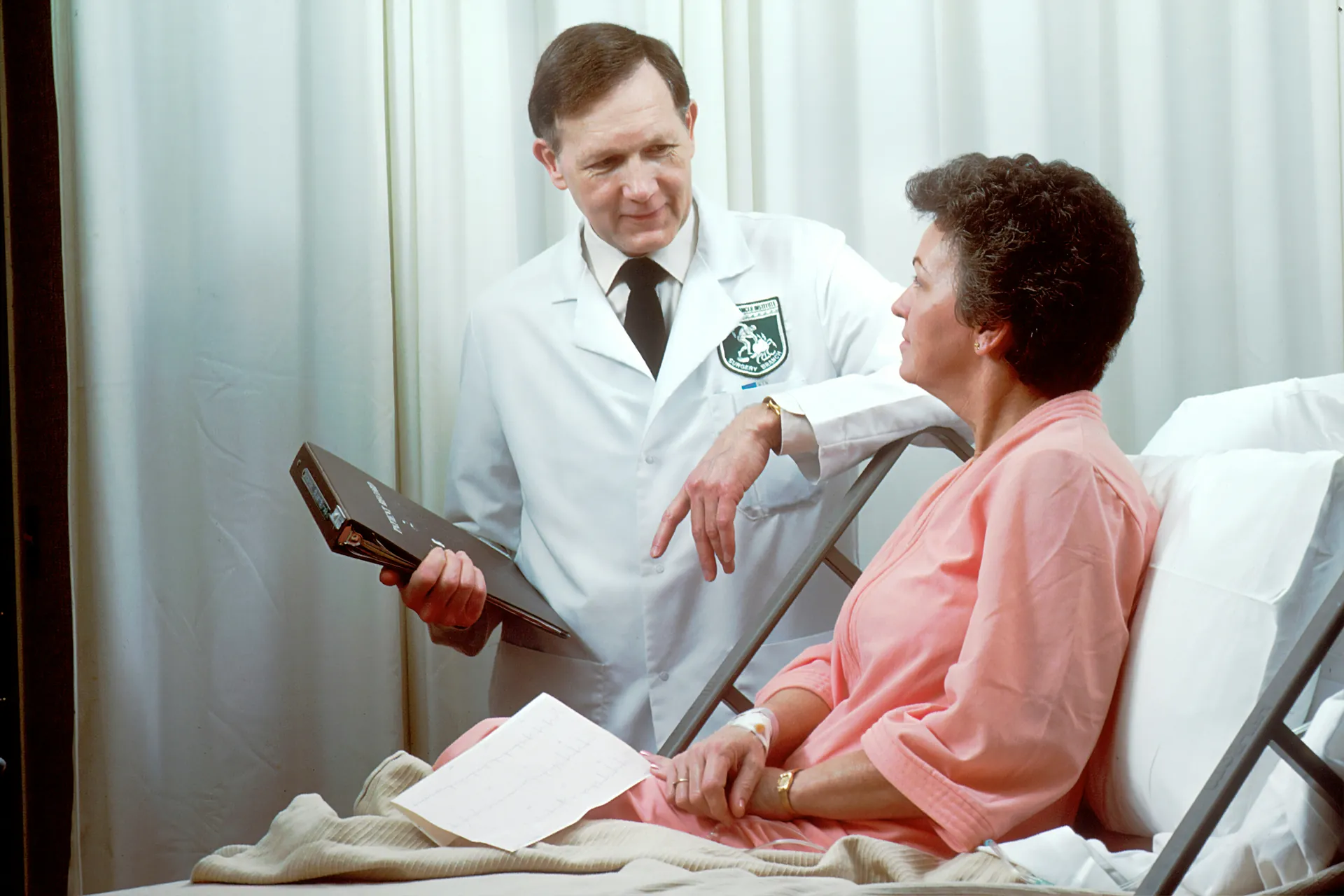
In a hospital setting, the IOA (Initiating Nurse) plays a key role in managing patients arriving in the emergency department. This specially trained professional intervenes from the first contact, whether the patient is brought in by ambulance or arrives on their own. Thanks to rigorous organization, the IOA performs a rapid and accurate assessment, often with the help of a triage scale such as the CIMU, to determine the severity of the situation and prioritize care.
This initial assessment includes the collection of essential information: symptoms, medical history, and the circumstances of the reason for consultation. This data allows for the development of an appropriate care plan.
The role of the IOA is not limited to administrative reception. It also encompasses the coordination of patient flow between the different pathways within the emergency department, such as emergency medicine, the short-stay pathway dedicated to minor trauma, and the critical care unit. This well-designed organization helps reduce waiting times, better manage specific pathologies such as complex osteoarticular infections, and ensure effective care.
Working closely with the triage physician and the rest of the healthcare team (nurses, nursing assistants), the triage nurse plays a central role. This profession, which emerged in the 1980s, has evolved into a formalized role requiring specific training and involving significant civil liability. The training of Emergency Medical Technicians (EMTs) covers various aspects, including stress management in crisis situations, assessment of osteoarticular infections, and practical workshops such as role-playing and debriefings. These training tools prepare EMTs to face their complex role, whether in a pediatric or adult emergency department. Their main objective: to ensure a safe and professional welcome from the very first contact with the patient.
The main missions of the IOA in healthcare facilities
Collaboration with medical teams
One of the essential missions of the IOA The role of the Emergency Department Nurse (EDN) is to work closely with the medical and paramedical teams in the emergency department. After conducting a thorough patient assessment, the EDN communicates effectively with the emergency physician to quickly direct the patient to the appropriate care pathway, depending on the severity and nature of their condition. This coordination aims to ensure smooth, safe, and consistent care, while guaranteeing optimal patient flow management. The EDN also acts as a liaison between the various departments within the service, including intensive care, the short-stay unit, and specialized areas. This involvement greatly contributes to the continuity and quality of care provided, including in specific contexts such as pediatric emergencies or cases of osteoarticular infections.
Participation in Research and Innovation
In addition to their daily responsibilities, the IOA is actively involved in clinical research and innovation in emergency medicine. This participation may include supporting studies aimed at improving triage protocols, preventing complex osteoarticular infections, or developing new in-house training programs to enhance healthcare professionals' skills, particularly in stress management during critical situations.
Furthermore, the IOA plays a key role in the design and implementation of evaluation questionnaires for trainees, as well as in the creation of educational tools such as role-playing exercises and debriefing sessions. These initiatives are intended to strengthen professional practices at the reception desk. Through its commitment to research and innovation, the IOA contributes to the continuous evolution of care and the improvement of patient safety in emergency departments.
The Impact of the IOA on Patient Safety
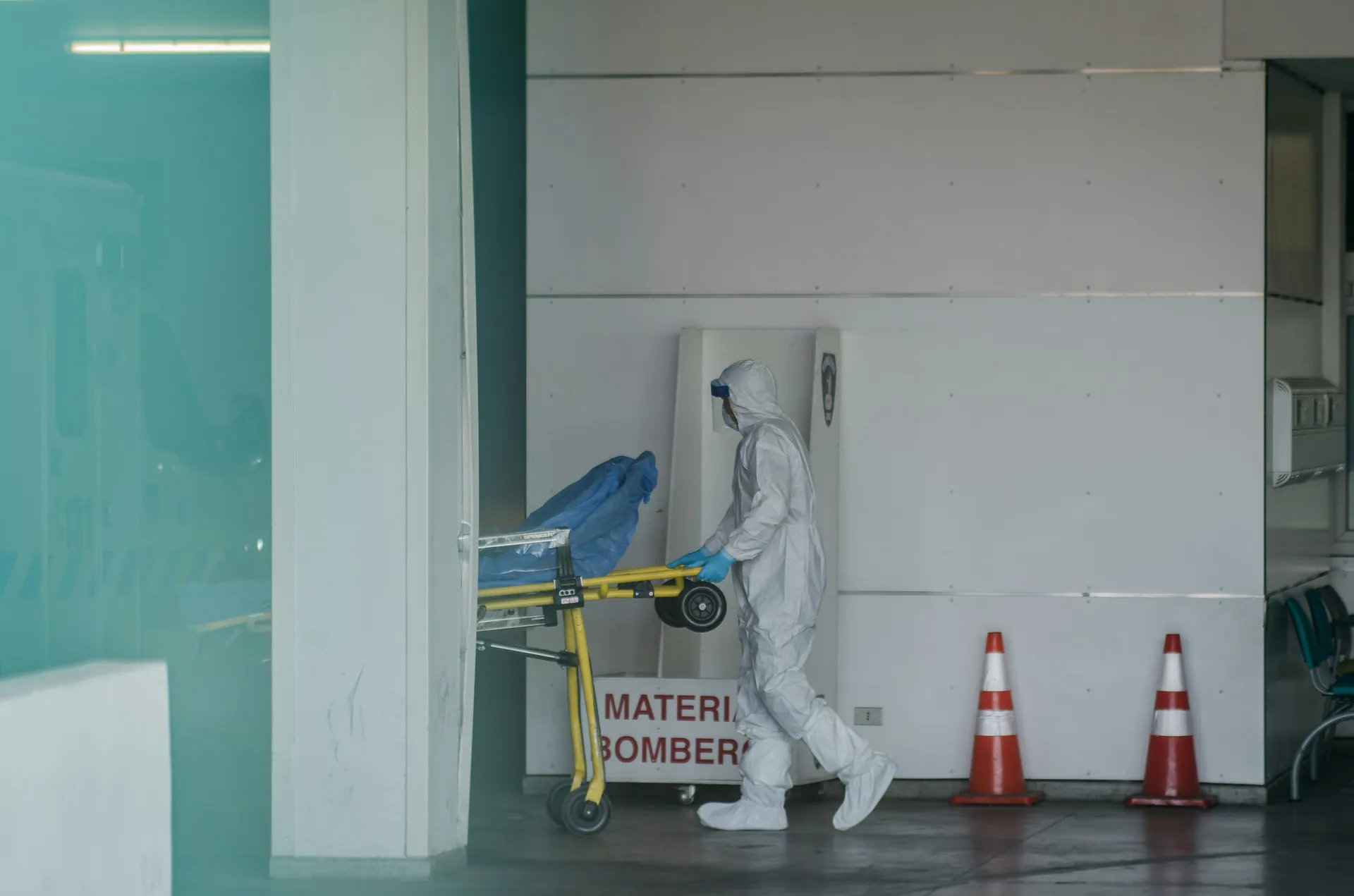
IOA is fundamental in improving patient safety in emergency departments. Thanks to a rapid and rigorous assessment upon arrival, the IOA enables early recognition of serious situations, which promotes appropriate care without unnecessary delay. The use of standardized triage grids, such as the FRENCH grid, strengthens the reliability of its decisions, thus limiting the risks of misunderstandings or delays in access to essential care. This implementation helps reduce premature discharges and improves the satisfaction of patients and their families, ensuring clear information on the progress of their care and any potential waiting times. By effectively managing patient flow and directing those requiring less care to alternative pathways, the IOA reduces the overload of services, which in turn reduces the risk of errors related to staff stress and fatigue. Furthermore, they play a reassuring role for patients and their families, an important element in often anxiety-provoking emergency situations. The role of the Emergency Department Nurse (EDN) also includes the management of osteoarticular infections and other specific pathologies, thus ensuring particular attention to nosocomial infections in the emergency setting. Finally, continuing education and professional simulations through role-playing and debriefings allow EDNs to maintain a high level of competence, guaranteeing a thoughtful professional approach. This approach helps limit incidents that could affect patient safety while strengthening the overall quality of care in healthcare facilities.
Challenges and future prospects of the IOA in healthcare facilities
Training and continuing professional development of the IOA
patient safety by reducing the risks associated with delays in care and optimizing patient flow management.
Continuing education, including professional simulations and stress management, plays a key role in meeting current and future challenges.
We encourage you to support and value this strategic function to ensure quality emergency care in healthcare facilities.
FAQ
What is the main role of the IOA in the organization and reception of patients in healthcare facilities?
The IOA plays an essential role in welcoming patients and their companions. It offers a personalized welcome, assesses and triages patients according to the severity of their condition, then directs them to the appropriate care facility. In parallel, they inform, reassure, and monitor, while ensuring efficient and well-organized care.
What are the key steps the Triage Nurse follows to assess the health status and prioritize patient care in the emergency department?
The Triage Nurse follows several steps to assess patients in the emergency department:
- A quick initial visual contact for an initial assessment.
- A structured interview to gather essential information.
- A concise clinical examination, including the measurement of vital signs.
They analyze the situation, identify areas of severity, and classify patients according to triage grids to prioritize their care. In case of prolonged wait times, the IOA reassesses patients and communicates with the team to coordinate care. This approach ensures optimal organization and an appropriate response to each medical emergency. What tools and protocols does the IOA use to ensure effective triage and safe patient care? The IOA relies on clinical assessment tools such as blood pressure and heart rate measurement, as well as triage protocols based on the severity and complexity of cases. Their competence is enhanced by initial training and medical intervention to refine prioritization. A specific pain management protocol is applied according to a precise scoring system. Automated tools and algorithms, such as DAISY or automated symptom management systems, help collect objective and subjective data, thus ensuring safe care. How does the IOA (Integrated Care Assistant) contribute to communication with patients and their companions during waiting and throughout the care pathway? The IOA plays a key role in communication by providing a personalized welcome to patients and their companions. They explain the organization of the service, waiting times, and procedures, while also assessing, reassuring, and informing them about the wait. By ensuring their comfort and monitoring the waiting room, they improve understanding and the experience of the care pathway.