Optimizing Patient Safety: Understanding and Applying Criterion 2.3-09
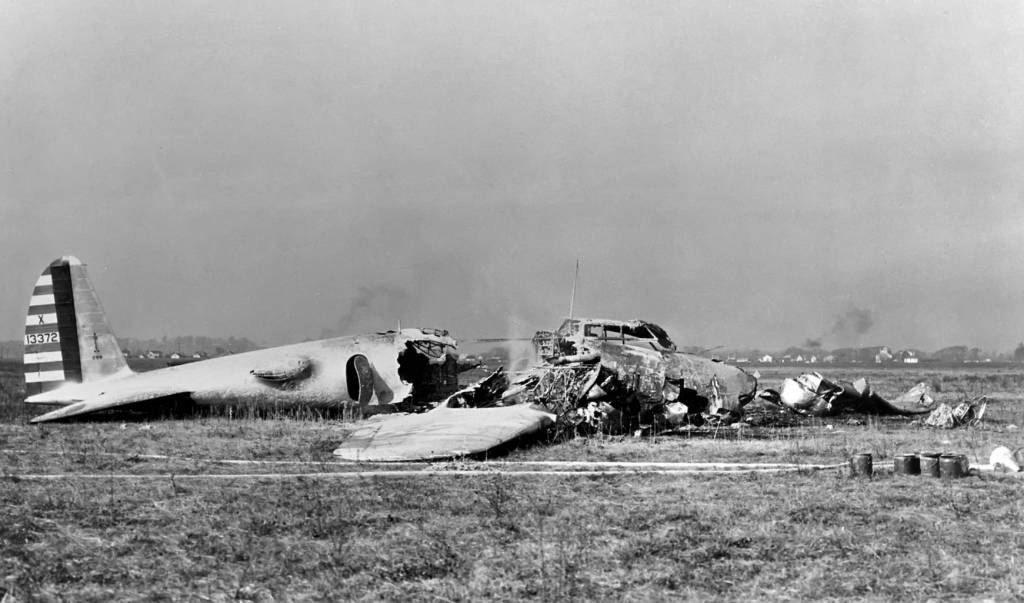
Patient safety is a central concern for healthcare facilities, and the implementation of a checklist has been mandatory since 2010 as part of the healthcare facility certification process. This requirement reflects the crucial importance of verification tools in complex environments, such as aviation, where the checklist emerged following the Boeing 299 crash in 1935, highlighting the aircraft's complexity and the lack of pre-flight checks. In medicine, pioneers like Peter Pronovost and Atul Gawande have demonstrated the transformative power of these lists, particularly in reducing infections associated with central catheters or in surgery.
Criterion 2.3-09: A Pillar of Practice Improvement
Healthcare facility Criterion 2.3-09 is a mandatory element that stipulates that "Interventional teams improve their practices by analyzing the implementation of the 'Patient Safety' checklist." This criterion, designed to strengthen the safety of surgical procedures, aims for a systematic verification of critical elements at each stage of patient care.
The Patient Safety Checklist allows for the verification of several essential points:
- Patient identification.
- Verification of the surgical site.
- Checking of devices and equipment.
- Validation of the procedure.
The French National Authority for Health (HAS) encourages professionals to adapt this checklist to facilitate its understanding and adoption, recognizing that professionals are the best guarantors of improved safety. patient.
By regularly analyzing how the checklist is completed, teams can:
- Identify discrepancies or areas requiring attention.
- Adjust their practices.
- Improve communication between the different professionals.
This evaluation and adjustment process is fundamental, as it directly contributes to preventing errors, optimizing coordination, and ensuring patient safety throughout their intervention.
The evaluation elements for professionals, according to Criterion 2.3-09, are clear:
- The checklist, possibly adapted according to the recommendations of the HAS, must be systematically and comprehensively performed by the operating room and interventional teams at each stage.
- It must be carried out in the presence of the professionals concerned.
- Its implementation is monitored by the teams, including Go/No Go decisions.
- The teams must implement improvement actions based on the analysis of the results of the indicators monitoring the checklist implementation methods.
Safeteam Training: Mastering the Checklist and Strengthening Teamwork
To support healthcare professionals in mastering these requirements, specialized training courses are offered. The "Checklist and Teamwork in the Operating Room (P01)" program from Safeteam Academy is specifically designed to meet this need. This 2-hour training course (1 hour of independent study and 1 hour of group work via videoconference) is intended for anyone working in the operating room and involved in the use of the checklist, with no prerequisites.
The learning objectives of this training are multiple:
- Master the proper execution of the checklist in the operating room.
- Identify the importance of the checklist in the operating room.
- Improve its use.
- Define the role of all stakeholders involved in its creation.
Among the points The strengths of this program include:
- A scenario developed in collaboration with a human factors expert and airline pilot, based on a real-life case.
- A video summary by a human factors expert in healthcare and an anesthesiologist-intensivist (MAR) on the impact of task interruptions and brain function.
The training program is structured in two parts:
PART 1: Independent, asynchronous
- Introduction to the training and pre-test.
- An immersive simulation video that retraces the daily routine of an operating room team in completing the checklist, from patient reception to the occurrence of a surgical incident.
- A video debriefing and a summary of key takeaways.
- A downloadable HAS checklist template, customizable for bespoke projects.
- Content to understand the impact of the checklist and task interruptions, including a video on best practices and an interview with Dr. Thomas Lopes, an expert in human factors in healthcare.
- An article on the history of the checklist, a post-test, an action plan, and a training evaluation.
PART 2: Group Session via Videoconference
- An in-depth debriefing of the video simulation with a human factors expert..
- A session dedicated to identifying gaps between individual professional practice and best practices. Practical application of the checklist.
- Identifying individual and team areas for improvement, and establishing an action plan to strengthen teamwork.
This training fully aligns with the HAS criteria for care coordination and checklist use, offering a variety of teaching methods such as video simulations, case studies, quizzes, and immersive role-playing. It includes continuous and final assessments to measure progress and validate learning. By mastering the checklist and strengthening teamwork, professionals actively contribute to the continuous improvement of patient safety, in accordance with the requirements of Criterion 2.3-09.