Non-verbal communication in healthcare encompasses all exchanges between caregiver and patient that do not involve words. It includes facial expressions, gestures, posture, interpersonal distance, touch, and body language in general.
Essential in the medical setting, it allows for the expression of emotions that are difficult to verbalize, strengthens trust, and enriches the caregiver/patient relationship.
It plays a key role in the transmission of sensitive information, health education, and quality of care by establishing a dialogue beyond words. Mastering this skill relies on recognizing micro-expressions, adapting interpersonal distances, and maintaining consistency with verbal communication. Paul Ekman's work highlighted the importance of these signals for authentically decoding a patient's feelings. Non-verbal communication influences patient perception and can improve the effectiveness of care. New teaching methods and connected medicine technologies offer promising prospects for strengthening this essential link.
The Importance of Non-Verbal Communication in the Medical Setting
What is Non-Verbal Communication?
Non-verbal communication encompasses all the messages we convey without using words. In the medical field, it includes elements such as gestures, posture, facial expressions, eye contact, the distance between caregiver and patient, touch, paralanguage (the way words are expressed), and even silence.
These signals, whether conscious or unconscious, convey emotions and information that words cannot always transmit. Thus, non-verbal communication enriches and complements verbal communication by providing a context that influences mutual understanding in the caregiver-patient relationship. Why is it so important in healthcare? In the medical setting, non-verbal communication plays a fundamental role in the quality of the doctor-patient relationship. It helps the caregiver to perceive more accurately the patient's emotions, expectations, and concerns, even when these are not verbally expressed. This contributes to more attentive listening and increased empathy. Body language, facial expressions, gestures, and even micro-expressions are powerful tools for establishing a climate of trust and conveying emotional support. This support, although sometimes silent, is often felt very deeply by the patient. Furthermore, non-verbal communication can either reinforce or contradict verbal messages, directly influencing the patient's perception of their care. For example, an open posture, respectful distance, appropriate touch, and a caring facial expression can generate a feeling of security and support. Conversely, closed body language or an inappropriate distance can provoke mistrust or discomfort. Therefore, mastering these aspects contributes to better ethics in healthcare, essential for establishing a respectful and balanced caregiver-patient relationship. Ultimately, beyond words, non-verbal communication is a determining factor in understanding and responding to the deep needs of patients. It represents a key lever for optimizing modern medical practices, particularly with the rise of connected medicine and specific training in verbal and non-verbal communication, designed for healthcare professionals.
The different aspects of non-verbal communication
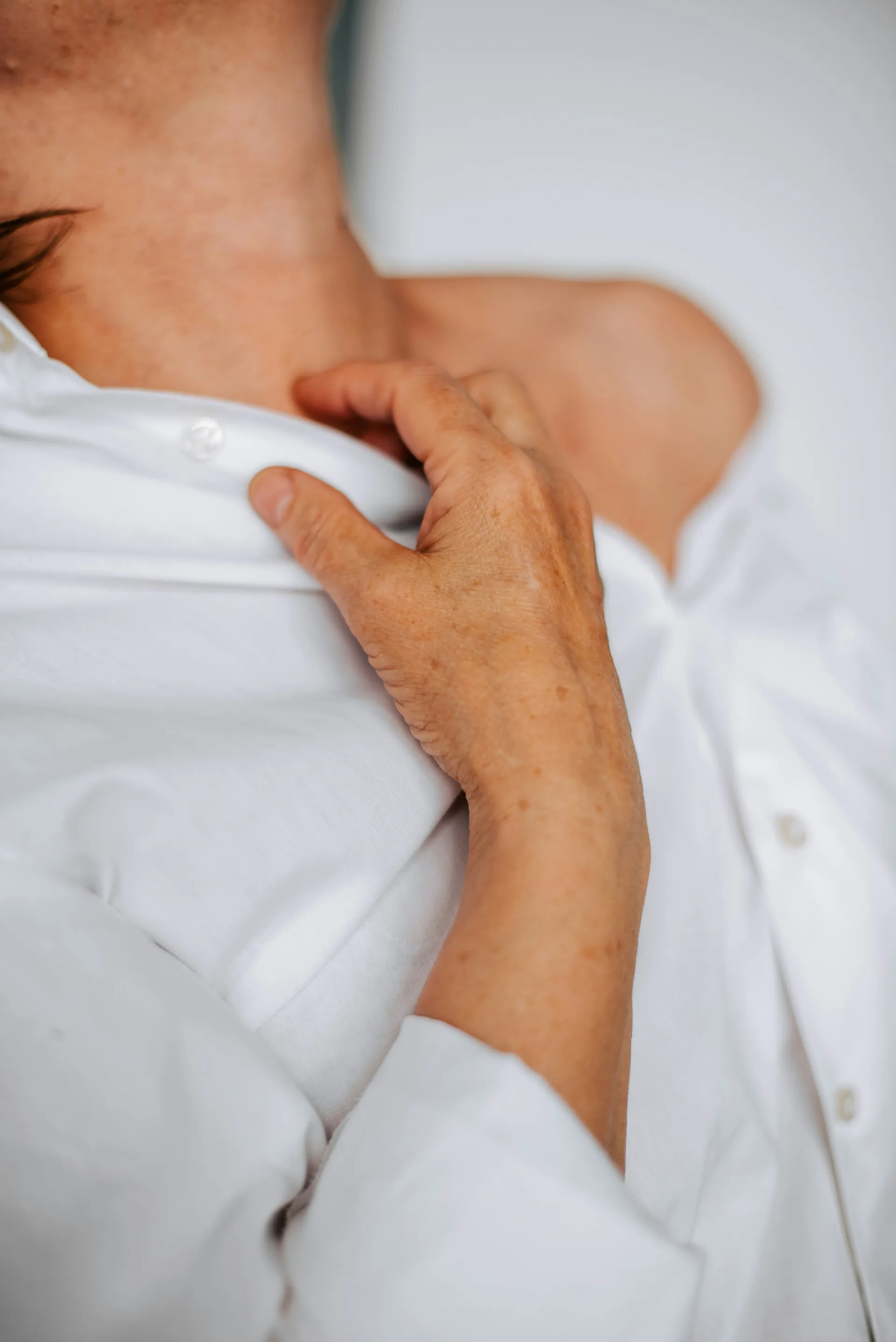
Body language and expressions Facial expressions
Body language, including posture, gestures, and eye contact, constitutes a major part of non-verbal communication in the caregiver/patient relationship. For example, an open posture and attentive gaze create an atmosphere of trust and show the patient that you are fully engaged in the interaction.
Facial expressions, on the other hand, convey deep emotions, often more sincere than spoken words. They allow you to detect signs of worry, pain, or reluctance, which are essential for adapting your medical discourse. This keen reading of non-verbal signals, including the micro-expressions identified by Paul Ekman, gives the relationship added authenticity and empathy. Touch as a means of support and comfort: Touch in caregiving is not insignificant; it can convey a feeling of compassion, comfort, and even security. Well-judged, respectful contact, adapted to the situation, can help alleviate the patient's anxiety, strengthen the emotional bond, and humanize the consultation. However, it is always important to consider the cultural context, individual preferences, and the clinical situation so that this non-verbal gesture remains a positive force, guaranteeing ethical conduct in healthcare.
Proxemics: The Use of Space in the Caregiver/Patient Relationship
Proxemics refers to the use of physical space in communication. In a medical setting, the distance you maintain with the patient conveys strong messages.
Too much distance can appear distant, cold, or impersonal, while excessive proximity risks being perceived as intrusive, particularly in situations involving disability where sensory perceptions may be impaired. Finding the right distance is therefore an essential skill, allowing one to respect intimacy while facilitating a comfortably accessible exchange.
Paralanguage: tone of voice, silences, sighs
Paralanguage encompasses all the sound cues that accompany speech without belonging to the content of the message itself: tone of voice, rhythm, volume, silences, and even sighs. This vocal non-verbal language is a powerful indicator of emotions and states of mind.
In consultations, paying attention to these elements allows you to adjust your interventions and demonstrate active listening, fostering better verbal and non-verbal communication with your patients.
Improving the caregiver/patient relationship through non-verbal communication

Establish a climate of trust and security
Non-verbal communication plays an important role in establishing a climate of trust between the caregiver and the patient. Elements such as kind eye contact, gentle gestures, and an open posture help to reassure the person receiving care. This feeling of emotional security fosters a more authentic exchange, allowing the patient to feel heard and respected. By creating this environment, the caregiver offers a space for free expression, without judgment, which is essential for the therapeutic relationship and the quality of care. Understanding the patient's unexpressed needs: Patients do not always explicitly share their emotions or pain. This is where sensitivity to non-verbal communication becomes crucial. Paying attention to facial expressions, body language, micro-expressions, and variations in paralanguage allows caregivers to detect subtle signals expressing anxiety, distress, or unspoken discomfort. This ability to decode the unspoken helps adapt interventions, better meet expectations, and offer personalized support. Promoting better adherence to treatments: A relationship based on positive non-verbal communication improves mutual understanding and, consequently, patient adherence to medical recommendations. When the patient feels acknowledged in their entirety, including their emotions and bodily sensations, they are more inclined to follow the advice given. Furthermore, this form of communication strengthens motivation, reduces resistance, and establishes a collaborative dynamic between the caregiver and the patient, thus increasing the effectiveness of care. The Challenges of Non-Verbal Communication in the Medical Setting
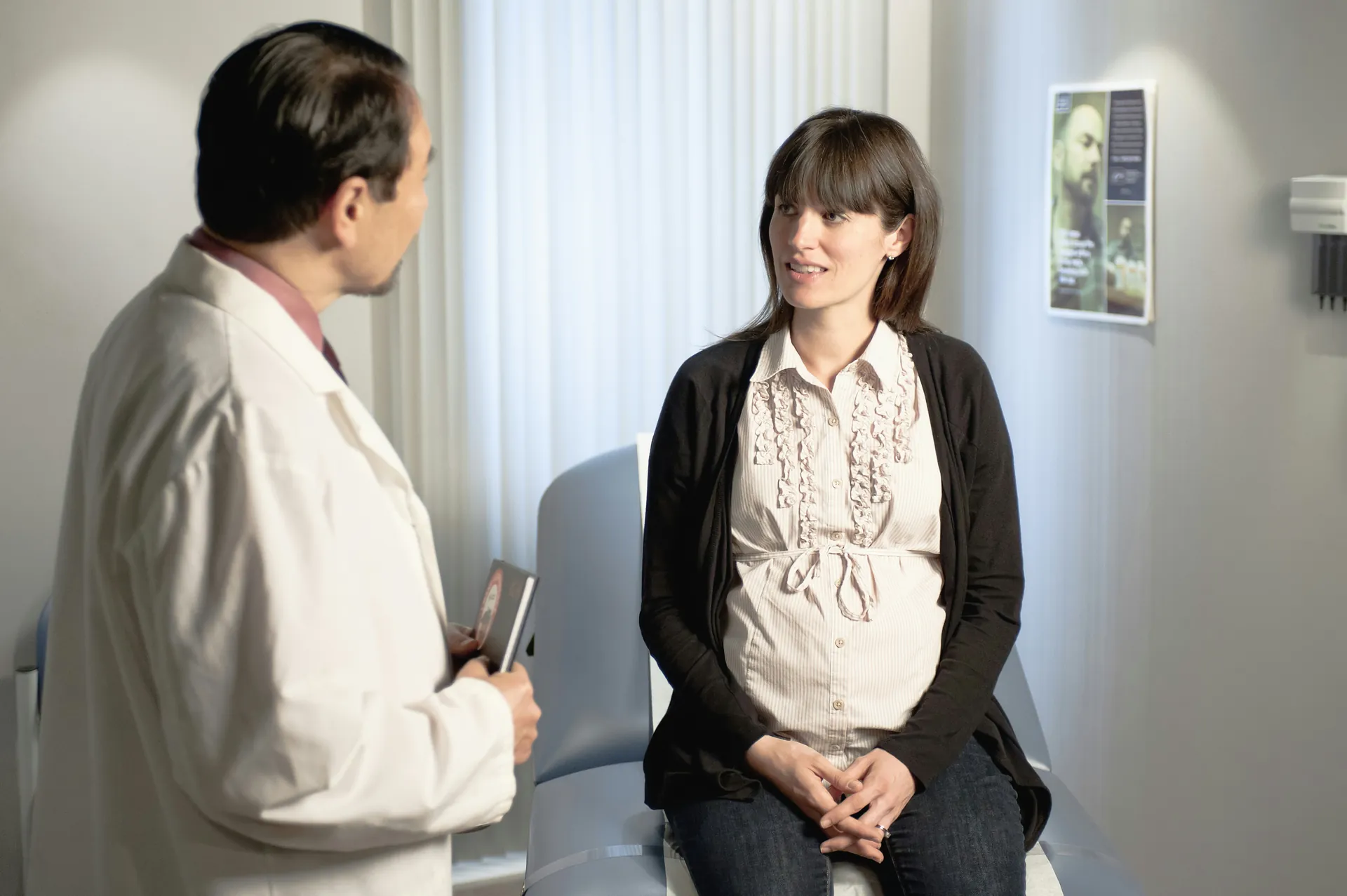
Cultural and Individual Barriers
Non-verbal communication in medical settings faces major challenges, particularly due to cultural differences and the individual characteristics of patients. Gestures, facial expressions, and the management of interpersonal distance can vary considerably from one culture to another. For example, a gesture perceived as kind in one culture may be interpreted as intrusive or disrespectful in another. This diversity makes the interpretation of body language and facial expressions more complex, which is nevertheless essential for a harmonious doctor-patient relationship. Furthermore, each patient has a unique way of expressing their emotions and needs. This underscores the importance for healthcare professionals to be particularly sensitive to this variability in order to avoid misunderstandings and conflicts. The Impact of Professional Attire and the Hospital Environment The attire of healthcare professionals and the institutional environment also play a significant role in non-verbal communication. For example, a medical uniform can create professional distance. While this helps maintain a rigorous medical framework, it can sometimes limit the spontaneity of interactions and reduce the feeling of closeness with the patient. Furthermore, the often cold and sterile atmosphere of hospitals can affect the quality of non-verbal exchanges. These environments can complicate the establishment of a trusting relationship, reinforcing feelings of isolation or anxiety in some patients. This can negatively impact their comfort and their ability to communicate openly. These challenges highlight the need for continuing education for healthcare professionals. They must develop skills adapted to the multifaceted nature of verbal and non-verbal communication in a medical setting. This includes approaches that respect cultural differences and individual situations, in order to effectively meet patients' needs.
Strategies for improving non-verbal communication between caregivers and patients
Training and awareness-raising for healthcare professionals
To strengthen the quality of the caregiver-patient relationship, it is essential to invest in training and awareness-raising for healthcare professionals regarding non-verbal communication. Specific training programs, such as those offered in 2025, enable participants to acquire practical skills in deciphering facial expressions, reading body language, and adapting gestures and postures to various clinical situations. This is particularly useful with non-communicative patients or those with severe disabilities.
These programs also include ethical aspects, such as the appropriate use of touch and maintaining a respectful distance. This approach helps to reinforce a caring and person-centered approach, essential in healthcare.
The Importance of Observation and Active Listening
Improving non-verbal communication also relies on careful observation and active listening. Knowing how to identify subtle non-verbal cues, such as micro-expressions or variations in paralanguage, allows caregivers to better understand patients' emotions and sometimes unexpressed needs.
This awareness fosters more appropriate interactions, reducing the risk of misunderstandings and improving patient adherence to care. Active listening is not limited to spoken words: it also encompasses all the bodily and vocal cues that enrich the relationship.
Use complementary tools: pictograms, apps...
The integration of complementary tools, such as pictograms or mobile apps, can significantly improve non-verbal communication, particularly in situations where verbal communication is limited. These tools allow information to be conveyed clearly and help patients express their needs more easily.
By combining these innovative tools with strong non-verbal communication skills, healthcare professionals can not only improve the quality of care, but also increase patient satisfaction. This synergy between technology and human interaction contributes to a richer and more personalized care experience.
Conclusion
Non-verbal communication plays a fundamental role in the caregiver-patient relationship, enriching care far beyond words. It helps establish a climate of trust, better understand emotions and deep needs, while significantly improving adherence to care.
However, certain challenges, particularly cultural and environmental ones, require special attention. This involves appropriate training and active listening, allowing you to optimize this essential dimension.
We encourage you, as a healthcare professional or someone working in the medical field, to develop your body language skills. Also, take advantage of modern tools to foster more human and increasingly effective communication.
FAQ
How can non-verbal communication improve mutual understanding between caregiver and patient?
Non-verbal communication plays a key role in improving mutual understanding. It allows the patient to express emotions that are difficult to verbalize, while the caregiver picks up on these signals such as gestures, eye contact, or posture. This interaction fosters active listening, respect for silences, and the establishment of a relationship of trust, essential for effective and appropriate care. What are the main non-verbal communication skills that caregivers must develop to better support non-communicative patients? To better support non-communicative patients, caregivers must develop specific non-verbal communication skills, including: Identifying non-communicative patients and understanding their communication methods. Accurately interpreting gestures and expressions. Adapting non-verbal instructions for greater clarity. Creating a climate of trust to guarantee dignity and adherence to care.
How does non-verbal communication contribute to establishing a climate of trust in the caregiver/patient relationship?
Non-verbal communication contributes to establishing a climate of trust through elements such as eye contact, posture, smile, and tone of voice. These signals demonstrate the caregiver's attention and active listening towards the patient. By respecting silences and expressed emotions, this approach fosters empathy and understanding, thus strengthening the therapeutic alliance and the patient's well-being.
What are the common challenges related to non-verbal communication in the medical setting and how can healthcare professionals overcome them?
Common challenges in non-verbal communication in the medical setting include:
- Misunderstandings related to gestures or attitudes.
- Cultural barriers that can complicate the interpretation of signals.
- The risk of misinterpreting body language.
To overcome these challenges, healthcare professionals can adopt an empathetic stance, regularly clarify exchanges, respect cultural differences, and use intentional eye contact to strengthen the bond of trust with their patients. patients.