Announcing a healthcare-associated injury: an ethical and safety imperative
The occurrence of a healthcare-associated injury represents a complex and delicate reality in a patient's healthcare journey. Whether it is a complication inherent to their condition, a therapeutic risk, a malfunction, or an error, the impact on the patient can be considerable, ranging from physical and psychological repercussions to social and material consequences. Faced with such situations, announcement of a healthcare-associated injury is not limited to a simple transmission of information; It constitutes a fundamental ethical and legal imperative, as well as an essential lever for improving professional practices and promoting a culture of patient safety. This article explores in depth the issues, steps, and best practices related to disclosing harm associated with care, drawing on the recommendations and principles set forth in the provided sources. Understanding the Importance of Disclosing Harm Associated with Care: Harm associated with care is the consequence of an adverse event, the origin of which can be varied: a complication related to the patient's condition, a therapeutic risk, a malfunction, or an error. Depending on the case, the harm can have physical, psychological, or even social and material repercussions. The announcement of an adverse event is first and foremost about establishing a space for dialogue between healthcare provider and patient, aimed at maintaining or restoring a genuine relationship of trust. It is also part of a process of improving professional practices, thus contributing to the development of a culture of safe care. For the patient, even in the absence of an adverse event, illness and the need for care generate a feeling of vulnerability. The occurrence of an adverse event can profoundly alter their perception of their illness and its progression, arousing complex emotions such as sadness, anxiety, anger, or loss of confidence. When harm results from an error committed by a professional in whom the patient had placed their trust, distress and anger can be exacerbated by denial or a lack of communication, often referred to as a "wall of silence." Following harm, the patient has clear expectations: to understand what happened, the consequences for their health, why the event occurred, and what corrective actions are being taken to prevent its recurrence. Patients also expect acknowledgment of their harm, transparent communication, consideration of their pain (both physical and psychological), and an empathetic expression of regret, or even an apology in the event of an error. By opting for open and honest communication, professionals acknowledge the impact of the harm and the patient's suffering, which constitutes the first step towards restoring trust and dignity. Disclosing harm has significant benefits for the caregiver-patient relationship. It helps maintain or restore trust between the two partners and contributes to ensuring continuity of care. Quality communication, even in a highly emotional context, can pave the way for calm for both parties, thus transforming an adverse event into an individual and collective benefit. By taking the patient's needs into account, professionals and healthcare facilities project a positive image. Furthermore, disclosing harm is part of a risk management approach to healthcare, encouraging a thorough analysis of the causes of adverse events and the implementation of corrective actions. When handled properly, the announcement can also limit the risk of legal action by meeting the patient's expectations for information and recognition.
The legal and ethical framework for information and disclosure
Disclosing a medical-related adverse event is not only a moral and ethical duty, but also a legal obligation. Pursuant to Article L.1111-2 of the Public Health Code and Article 35 of the Code of Medical Ethics, every person has the right to be informed about their health status in a clear, honest, and appropriate manner, within the framework of an individual consultation. This information is a duty of every healthcare professional. Article L.1142-4 of the Public Health Code specifies that any person who is a victim, or believes themselves to be a victim, of harm attributable to a prevention, diagnostic, or treatment activity must be informed by the professional or institution concerned about the circumstances and causes of this harm. This information must be provided no later than fifteen days after the discovery of the harm or the patient's express request, during a meeting in which the patient may be accompanied. Thus, this information is a patient's right. The V2010 certification procedure for healthcare facilities includes "informing the patient in the event of harm related to care" as a requirement. The ethical foundations of this disclosure are based on the principles of transparency, honesty, and respect for patient autonomy. Informing the patient of adverse events, including those resulting in harm, allows them to understand what happened and make informed decisions about their health. Concealing harm, whether due to error or not, is detrimental because it deprives the patient of essential information and hinders the safety of the healthcare system. Patients' expectations regarding information following harm are multifaceted and include not only an explanation of the facts, but also acknowledgment of the harm suffered and the expression of regret or apologies, particularly in cases of proven error. Meeting these expectations helps to strengthen the patient's trust in the healthcare provider and limit the potential for legal action. Reporting harm is fully integrated into a risk management approach. It allows for the identification of adverse events, the analysis of their causes, the implementation of corrective actions, and the monitoring of these actions. Establishing a safety culture, based on an educational and non-punitive view of errors, transparent communication between professionals, and patient involvement, is essential to improving the quality and safety of care.
Preparing for the Disclosure: A Key Step for Constructive Dialogue
Preparing for the disclosure is a crucial step to ensure a constructive and respectful conversation with the patient. Every healthcare professional must be prepared for this situation, which may arise during their career.
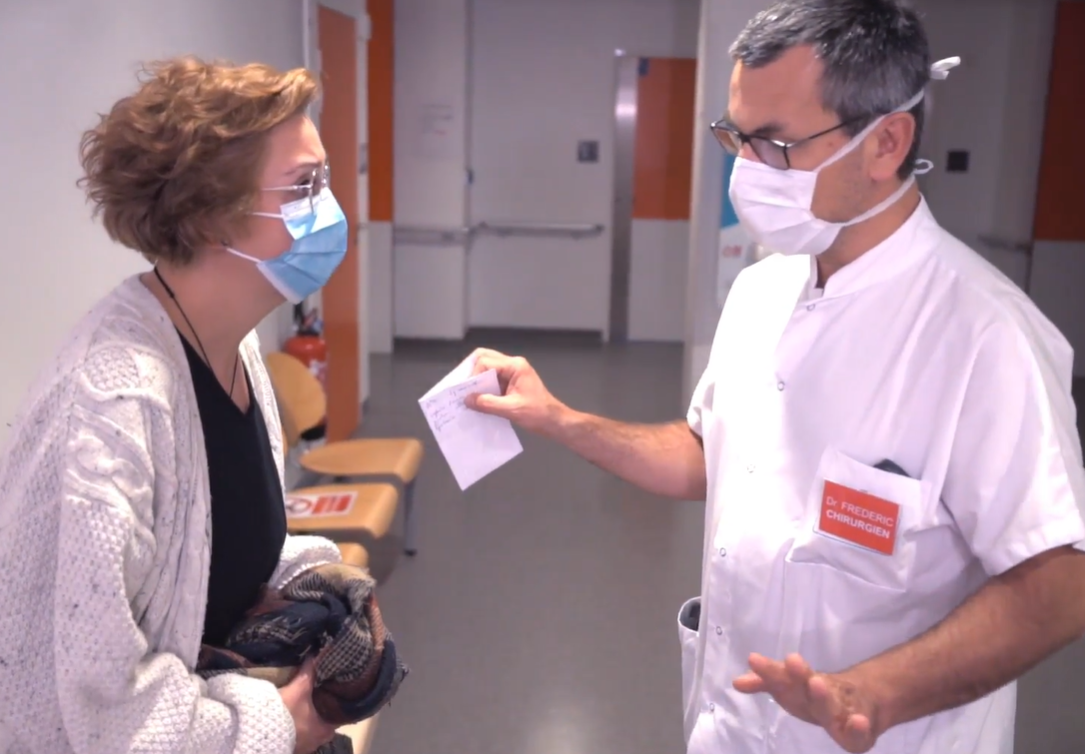
Initial and ongoing professional training is essential. Some authors even consider identifying and disclosing harm as a medical skill in its own right. This training must address communication in difficult situations, active listening, empathy, and managing emotions, both those of the patient and those of the professional. Training sessions, such as simulations or peer practice analysis groups, can be beneficial. In healthcare facilities, it is essential to implement a formalized policy for reporting adverse events, disseminated to all professionals and patients. This policy must define the objectives, the key steps in the reporting process, and identify the resources available to professionals, particularly in terms of support. The institution must commit to creating a climate of trust that encourages the reporting of adverse events and to conducting the necessary investigations objectively. Support for professionals involved in an adverse event is paramount. These professionals may experience shame, guilt, frustration, or anxiety. The establishment of a support unit offering listening, advice, and guidance is essential, as is a repeated offer of personalized support independent of the hospital. Before the patient interview, it is crucial to gather all available information concerning the adverse event, analyze the causes, and anticipate the consequences for the patient. It is also necessary to determine who will participate in the appointment and who will follow up, to plan the time and place for the announcement, and to prepare what will be said to the patient, anticipating their needs, particularly linguistic ones (presence of an interpreter if necessary). It is important to gather information about the patient's experience in order to provide the best possible support and better understand their reactions. An internal preparatory meeting should be held as soon as possible after the event. The preparation for the announcement should be tailored to the degree of urgency. In certain situations requiring rapid communication (error in surgery, error in medication administered, etc.), the preparatory steps can be condensed or even postponed to a later date for a more relaxed discussion. Delivering the announcement: empathetic and transparent communication. The first meeting with the patient is a crucial step in maintaining a relationship of trust. The disclosure should be considered an ongoing communication process aimed at informing and supporting the patient and strengthening the relationship. The timing of the disclosure should be as soon as possible after the damage is detected, preferably within 24 hours, and always within the legal timeframe of 15 days following discovery or the patient's request. The location should be quiet, comfortable, and conducive to confidentiality. In a healthcare facility, a private room or a dedicated office is appropriate. In the community, the disclosure can take place during a consultation or a specific appointment. The choice of participants for the initial meeting depends on several factors (type of event, local policy, etc.). Generally, the healthcare professional responsible for the patient's care and who has the closest relationship with them is best suited to conduct the interview. The patient must be informed in advance of the individuals who will be present and may request that some not be present. They must also be informed of their right to be accompanied (by a relative, trusted person, etc.). Depending on the institution's policy and the severity of the injury, a member of management, the Medical Staff Committee, or the risk management coordinator may attend the interview. It is important that a professional not be left alone with the patient, without, however, giving an impression of being overwhelmed (maximum of 3 people). Students and residents may be present for the disclosure, but must under no circumstances conduct it alone. In the city, the interview most often takes place face-to-face. Communication during the disclosure must be sincere, transparent, and empathetic. It is essential to acknowledge the harm suffered by the patient from the outset of the conversation. For example, one could say, "We regret that you had such a difficult experience." Then, the known and verified facts must be explained simply and understandably, specifying the implications for the patient's future. It is important to explain what is known about why the adverse event occurred, without speculating. If the event was preventable, this must be stated. It is also important to explain one's own role in the event, avoiding blaming others or "the system." Expressing regret is a key element of the disclosure process. In the event of a proven error, offering a sincere apology is essential. It is also necessary to inform the patient what will be done now to care for them and how the event may impact their long-term care. The organization must commit to mitigating the impact on the patient's long-term health. If the event was avoidable, the patient must be told what should have happened and what will be done differently to prevent a similar event from recurring. It is crucial to address the patient's needs by offering medical, psychological, social, or spiritual support as needed. A single point of contact should also be assigned to oversee the process, and follow-up appointments should be scheduled. Documenting the exchange in the medical record is essential. This should include the date, time, location, participants, facts presented, offers of support, the patient's reactions, questions raised and answers provided, as well as the follow-up plan and the contact information for the single point of contact. A team debriefing after the interview allows for the sharing of information exchanged.
Follow-up to the announcement: a continuous and personalized process
The announcement of an injury can be a long-term process, requiring follow-up appointments when the patient expresses the need, when the investigation of the causes was incomplete, or when the organization of support services is slow to be implemented. These appointments help reassure the patient and demonstrate the importance placed on their case.
During follow-up appointments, it is important to provide additional information as it becomes available and to inform the patient of the corrective actions implemented if the investigation was not completed during the initial interview. It is also necessary to ensure the effective implementation of the proposed care and support services. Expressing regret, or even offering further apologies, is necessary if appropriate. With the patient's consent, it is advisable to inform the treating physician of the harm done and what was said. Each follow-up appointment must be documented in the medical record. In the long term, it is important to organize feedback sessions with the relevant professionals and to assess the impact of the process. Throughout the process, it is essential to maintain communication characterized by sincerity, transparency, and empathy. Differing reactions from the patient should not be surprising, as they often reflect their distress. In the specific case of a proven error, the patient may be offered the opportunity to meet with another professional to facilitate dialogue. It is also crucial to address the psychological and professional consequences for the healthcare workers involved.
Managing Specific Situations: Serial Events and Deaths
The notification of harm may take specific forms in certain situations. In the event of serial adverse events, affecting several patients (radiotherapy overdose, insufficient disinfection, etc.), a specific procedure must be integrated into the institution's notification policy. The notification must be rapid, simultaneous for all patients concerned, and precede any media communication. Planning is necessary to ensure empathetic and individualized communication, anticipating the psychological stress of patients recalled for examinations. Public communication is often handled by the facility in conjunction with health authorities. When an adverse event results in a death, the emotional burden is significant for family and caregivers. All the recommendations in the guide apply, emphasizing understanding, listening, respect, and empathy. If family members are not present, the physician must inform them by telephone without announcing the death, indicating that the situation is serious. The reception of family members must be personalized and prepared. The physician in charge of the patient announces the death, assisted by a member of the team, using simple words such as "death." They must give family members the opportunity to speak, answer their questions, express their regrets, and offer their condolences. The team must allow family members to view the deceased's body and respect their rituals. Information about the procedures and bereavement process must be provided. The possibility of subsequent contact with the doctor is offered. Announcing a diagnosis to a patient with a mental illness or limited comprehension requires an individualized approach based on their specific condition. It is important to assess the patient's level of understanding, if necessary with the help of a referring psychiatrist or a family member. The appointment should be longer, and the language adapted accordingly. The patient's mental state and the availability of support from their family and friends must be taken into account. The reasons justifying a limitation or withholding of information must be documented in the medical file and sent to the referring physician.
Pitfalls to avoid and best practices for a successful announcement
For a successful announcement, it is essential to avoid certain pitfalls and follow best practices. It is important not to deny one's own emotions, remain isolated, refuse to allow the patient to be accompanied, display aggression, use medical jargon, speculate on the facts, blame someone, deny or conceal the harm, make the patient feel guilty, deny one's own responsibility, or provide contradictory information. The ten essential guidelines for disclosing harm are: Acquire/improve communication knowledge and skills. Communicate respectfully, clearly, sincerely, and transparently with the patient. Communicate based on known and certain facts. Acknowledge the harm. Express regrets or even apologies. Respond to the patient's needs. Consider the patient's family and friends (with their consent). Respect confidentiality. Respect the patient's individuality. Meet the needs of professionals (support). Active listening is a key skill for creating an environment conducive to patient expression and helping them verbalize their feelings and questions. It is important to remain focused on the other person, even if the professional is not in a neutral position. Empathy allows us to demonstrate understanding and support in the face of a patient's suffering. Ethical reflection can help professionals acknowledge and manage the difficulties encountered in this process. The principles of beneficence, non-maleficence, and autonomy are important considerations. Finally, it is essential to evaluate the disclosure process by monitoring the number of complaints, reported and analyzed adverse events, and through satisfaction surveys of patients and caregivers. This evaluation enables continuous improvement of practices. In conclusion, disclosing harm associated with care is a complex process that requires specific communication skills, rigorous preparation, an empathetic and transparent approach, and consideration of legal and ethical aspects. It represents a fundamental commitment to the patient, contributing to the restoration of trust, the improvement of patient safety, and the evolution towards a culture of transparency and accountability within healthcare facilities and in the practice of healthcare professionals.