
🔷 Présentation
Destinée à tous les soignants, cette formation aborde les grands principes de la maîtrise des risques en s’appuyant sur la prévention, la récupération et l’atténuation des dommages.
Les participants y découvriront comment et pourquoi instaurer des démarches de retour d’expérience, afin de garantir une prise en charge à la fois sûre, éthique et de qualité.
🔷 Description
Pré-requis :
- Être un professionnel du système de santé
Durée :
- 1 h 15 en autonomie
- 1 h en collectif (débriefing en visioconférence)
Critères de certification HAS :
- Critère 3.1-04 : L’établissement impulse la culture de la déclaration des évènements indésirables, dont les presqu’accidents.
- Critère 3.2-04 : L’établissement forme ses professionnels à la gestion des risques en utilisant des outils de la simulation en santé.
🔷 Points forts
- Sensibilisation à la prévention des erreurs médicales par le prisme du modèle des organisations de haute fiabilité.
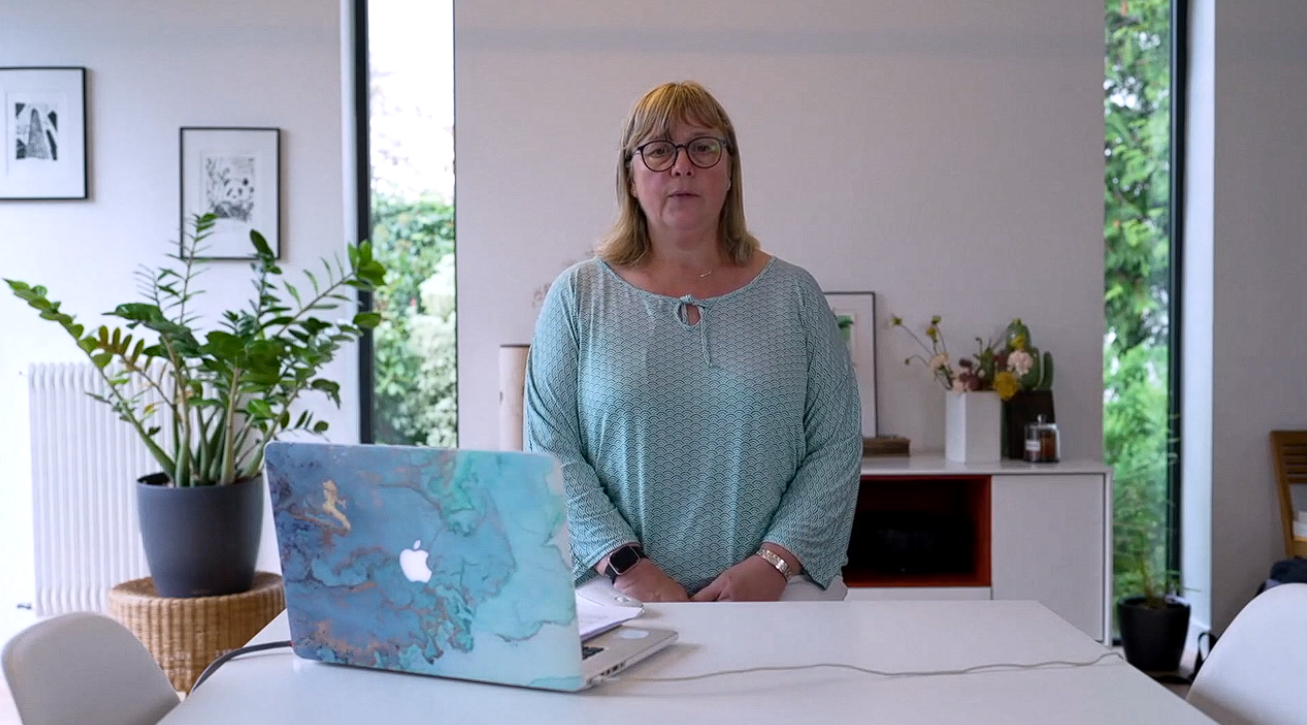
- Interview filmée de Nathalie Robinson, cadre de santé IADE et experte en gestion des risques.
- Format mixte, alliant réflexion individuelle et débriefing collectif.
🔷 Programme
― Parcours en autonomie (asynchrone)
- Introduction à la formation
- Pré-test (test de positionnement)
- Formation interactive : vidéo dynamique
- Qu'est-ce qu'une erreur ? (modèle SRK).
- Comprendre le processus de décision pour mieux comprendre l'erreur.
- Identifier les stratégies de prévention à adopter selon la typologie des erreurs.
- Élargir sa compréhension de la notion de sécurité pour prévenir efficacement le risque d'erreur : les trois modèles de sécurité dominants.
- Identifier les principes d'une organisation de haute fiabilité.
- Adopter la bonne posture en cas d'incident.
- Synthèse des éléments clés
- Identifier les biais cognitifs en jeu en fonction du contexte, pour prévenir le risque d'erreur.
- Adapter sa stratégie :
- La prévention primaire : la formation et l'ingénierie des dispositifs médicaux.
- La prévention secondaire : la culture du reporting.
- La prévention tertiaire : annonce d'un événement grave aux proches du patient selon la méthode CANDOR.
- Post-test (mesure de la progression et validation des acquis) & Plan d'actions
- Évaluation de la formation
― Débriefing collectif en visioconférence (synchrone - optionnel)
- Débriefing de la vidéo-simulation avec un expert du travail en équipe
- Identifier les écarts entre sa pratique professionnelle et les bonnes pratiques pour améliorer sa prise en soin.
- Identifier ses axes d’amélioration individuels et en équipe.
- Établir un plan d’actions individuel et collectif pour renforcer son travail d’équipe.
◆ Session de formation intra ◆
Tarif par apprenant, applicable dans le cadre d’un groupe de référence de 10 professionnels. Ce tarif donne accès au parcours e-learning pour chaque apprenant. Un débriefing collectif en visioconférence peut être organisé en fin de formation sur demande (optionnel, sur devis).
◆ Licence individuelle ◆
Abonnement annuel nominatif donnant accès à tout le catalogue en autonomie. Les débriefings collectifs sont réservés aux formations intra et disponibles en option pour les groupes.


