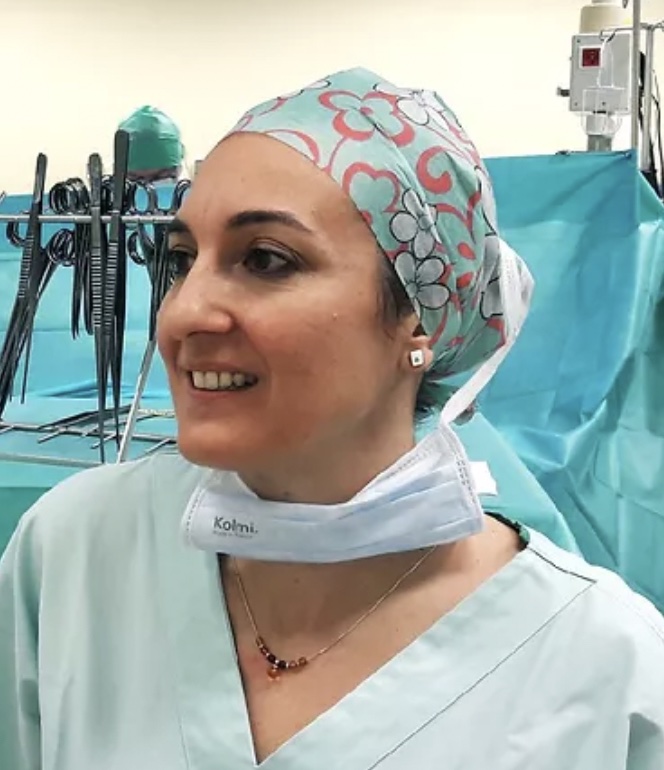
Biographie de l'auteur
Guillaume Tirtiaux est ingénieur civil électricien de formation.
S’étant passionné pour l’aviation dès son plus jeune âge, il a mené de front sa formation de pilote professionnel et ses études universitaires.
Commandant de bord et instructeur dès l’âge de 29 ans, il a été amené à approfondir puis à enseigner les principes faisant d’un pilote un bon équipier : le Crew Resource Management ou CRM.
Aujourd’hui, Guillaume est pilote de ligne chez Air France, tout en assurant la fonction de formateur CRM au sein de cette compagnie.
Pendant plusieurs années, Guillaume a co-dirigé la société REPORT’in, un groupe de pilotes de ligne transposant les principes du CRM à d’autres secteurs d’activités à risques, notamment aux soins de santé et à l’industrie nucléaire.
Maître-praticien en Coaching Mental, Guillaume explore continuellement de nouvelles pistes afin d’identifier les idées et outils concrets favorisant une meilleure réussite des individus et des équipes.

Résumé du livre
Dans les années 70, les crashes d’avions se succèdent au point que les compagnies font face à une crise majeure. Une étude de la NASA révèle alors les difficultés qu’ont les pilotes à coopérer. Face à ce constat, le Crew Resource Management (CRM) est développé pour apprendre au personnel navigant à mieux réussir ensemble. Et les résultats suivent rapidement, rendant ainsi les formations au CRM obligatoires.
Dans de nombreux secteurs d’activité autres que l’aviation civile (santé, énergie, etc.), les pertes liées à une communication inefficace ou à un leadership inapproprié se chiffrent aussi en vies humaines. Toutefois, quelle que soit l’entreprise et même s’ils sont moins flagrants, de tels dysfonctionnements demeurent tout aussi pernicieux : perte de la performance, dégradation du bien-être, burnout… ; et in fine très coûteux.
De la performance individuelle (gestion du stress, de la fatigue, de l’attention…) à la performance collective (communication, travail en équipe, prise de décision…), cet ouvrage fourmillant d’exemples vous fait découvrir les bonnes pratiques du CRM des pilotes de ligne en les étendant à toutes les professions, donc la vôtre. Vous et votre groupe y gagnerez en capacité à rebondir dans l’adversité et à continuer d’avancer.
Découvrez notre parcours "Fiabiliser les parcours de soin en péri opératoire"
Guillaume, pourquoi une 2ᵉ édition de votre ouvrage ?
(Interview du 09/04/2025)
"Depuis 2018, année où j’ai entrepris la rédaction de l’édition originale, je me suis enrichi de nombreux projets de formation et de rencontres inspirantes. Ceux-ci m’ont conduit bien au-delà du domaine aéronautique, vers des secteurs aussi variés que les soins de santé, l’industrie nucléaire, les services d’incendie, le domaine spatial, le transport ferroviaire, ou encore la sécurité informatique, pour ne citer que les principaux.
Ces années d’expériences et de réflexions m’ont permis de mûrir de nouvelles idées et d’élaborer des outils qui, je l’espère, contribueront à l’objectif de Mieux Réussir Ensemble. Parmi les thématiques qui enrichissent cette nouvelle édition, figurent notamment le rôle des émotions, l’impact de notre état d’esprit sur les effets du stress, le Système 3 et l’inhibition, la sécurité psychologique, les six styles de leadership et leur impact sur le climat organisationnel, mais aussi des sujets tels que la gestion des conflits, l’empathie tactique et la communication implicite.
Dans cette réédition, le Chapitre 9, initialement consacré exclusivement au partage d’expérience, se voit renommé « Les Facteurs Organisationnels », afin d’élargir la discussion et d’exposer l’influence exercée par les différents niveaux d’une organisation sur les performances individuelles et collectives.
J’ai également profité de l’occasion pour inclure les comportements efficaces en fin des chapitres concernés.
Je profite également de cette occasion : remplacer l’expression consacrée « compétences non techniques » par « compétences humaines ». J’adhère pleinement à cette nouvelle dénomination qui leur confère une identité propre, sans les opposer aux compétences techniques. Par ailleurs, je ne suis pas favorable à l’appellation soft skills, ces compétences essentielles n’ayant rien de « mou ».
Enfin, j’ai corrigé quelques erreurs de grammaires et d’orthographe, ainsi que quatre inexactitudes."