What is a PICU?
Definition and Objective
The PICU, or Multipurpose Intensive Care Unit, is a hospital department designed to care for patients whose condition requires close monitoring and specialized medical interventions. This department admits critically ill patients in a variety of situations, ranging from the immediate aftermath of complex surgical procedures to medical conditions requiring repeated clinical, biological, and radiological monitoring.
The main objective of the PICU is to stabilize critically ill patients while ensuring rigorous continuity of care.
This is made possible by the permanent presence of healthcare professionals trained in intensive care and effective coordination within the department.
Difference with other intensive care units
Unlike specialized intensive care units, which focus on specific organ failures (such as in cardiology, nephrology or neurology), the PICU is a multi-purpose unit. It handles a wide variety of medical and surgical cases, without being limited to a particular organ.
This comprehensive approach allows for tailored care for unstable patients, which differentiates the PICU from traditional intensive care units, often dedicated to extreme life-threatening emergencies.
The main challenges of PICUs
Improving the quality of critical care
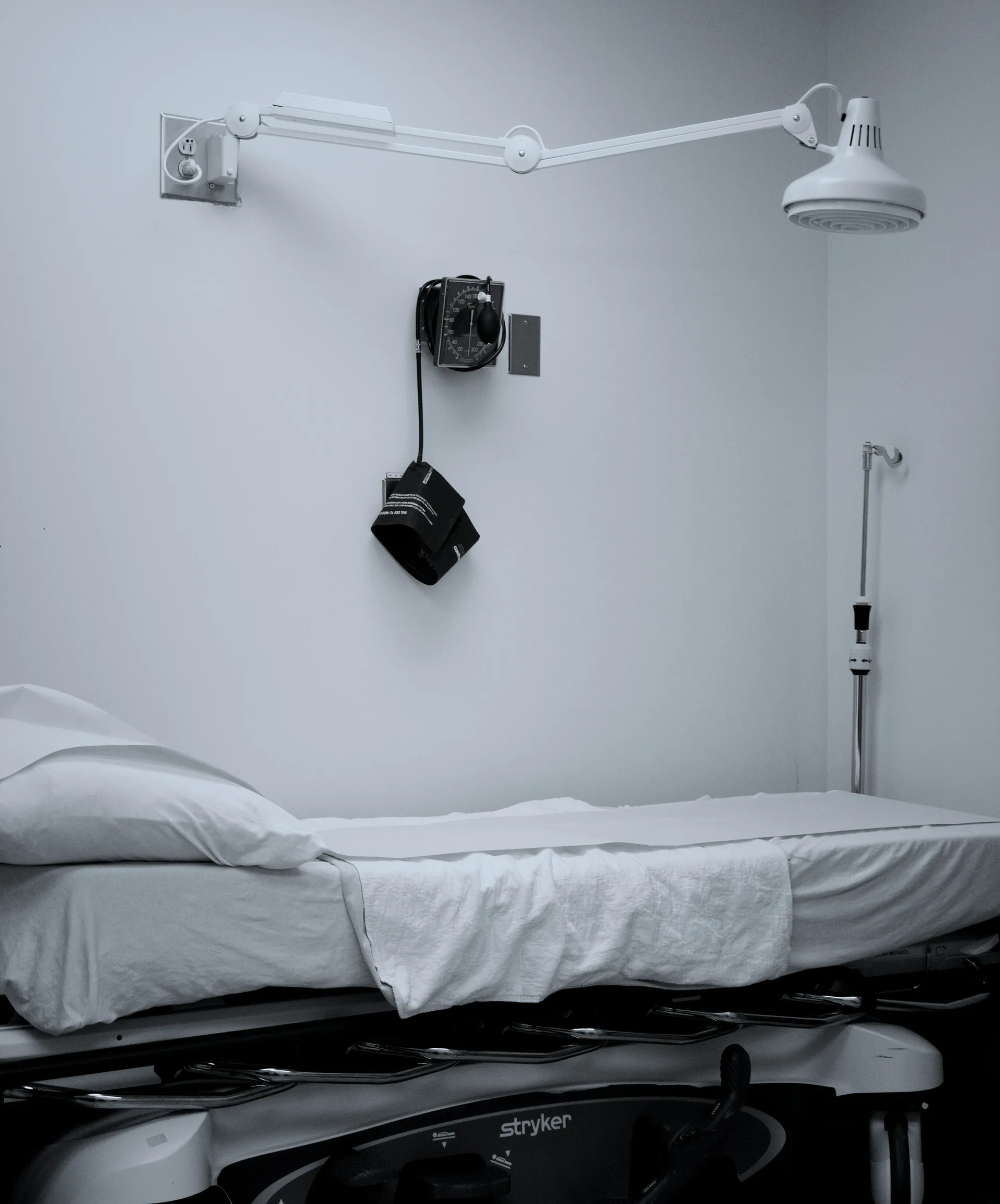
One of the major challenges of the USIP lies in the constant improvement of the quality of critical care provided to patients. These units must guarantee optimal care for patients with clinical instability, ensuring close monitoring combined with appropriate medical and paramedical interventions. Maintaining safety, preventing complications, and managing medical emergencies are priorities for providing satisfactory intensive care. Optimizing material and human resources: Intensive Care Units (ICUs) require rigorous organization of their resources. Mobilizing high-performance medical equipment, such as advanced monitoring devices, is accompanied by efficient management of healthcare staff, including nurse managers, physicians, and specialized nurses. Optimizing these resources is essential to meet the diverse needs of patients and to maintain efficient continuity of care throughout hospitalization.
Managing the versatility and complexity of cases treated
The multi-purpose nature of PICUs involves managing a wide variety of cases, ranging from post-operative care to complex medical conditions. This challenge requires a flexible organization and the implementation of appropriate protocols, enabling optimal and safe care while ensuring collaboration between specialized medical and paramedical teams.
Challenges related to continuing staff training
Finally, the complexity of multi-purpose intensive care necessitates rigorous continuing education for healthcare professionals working in PICUs. Developing technical, clinical, and interpersonal skills is essential to maintaining the quality of care and adapting to medical and technological advancements. Regular training is a key lever for ensuring competence and safety in these units. Recent and future reforms of the PICUs and technological equipment
Recent reforms have mandated a significant modernization of PICUs, particularly in terms of equipment. These units now have equipment similar to that of intensive care units, enabling them to manage a rapid increase in demand should the need for critical care grow.
This standardization of equipment improves the flexibility of the technical platform, offering greater adaptability to variations in activity while ensuring continuity of intensive care. In parallel, the physical proximity of PICUs to intensive care services optimizes medical management and resource sharing.
Reforms in human resource management
Regarding human resources, the reforms establish staffing ratios adapted to PICUs, guaranteeing the quality and safety of care. For example, regulations now stipulate a ratio of one nurse for every four open beds, as well as one nursing assistant for every four beds during the day. Furthermore, staffing flexibility plans are being implemented to respond to fluctuations in activity, particularly in the event of increased demand due to exceptional health events. Improved Interdisciplinarity and Continuity of Care: The reforms encourage greater interdisciplinarity among healthcare professionals involved in intensive care units. The joint medical management of intensive care units and PICUs, as well as the pooling of teams, strengthens the coordination of care. This fluid organization between the different specialties guarantees optimal continuity of care, particularly during transitions between units, whether for medical or surgical care. Adapting to current and future public health challenges: Finally, PICUs are designed to better meet contemporary public health challenges, such as managing health crises and the increase in complex pathologies. Their versatile configuration, equipped for temporary resuscitation, gives them a rapid response capacity to peak activity.
These reforms are part of a comprehensive strategy aimed at strengthening the resilience of the hospital system in critical care and guaranteeing a satisfactory level of care, even in contexts of severe health constraints.
The challenges facing Intensive Care Units
Facing the Increase in Chronic and Complex Diseases
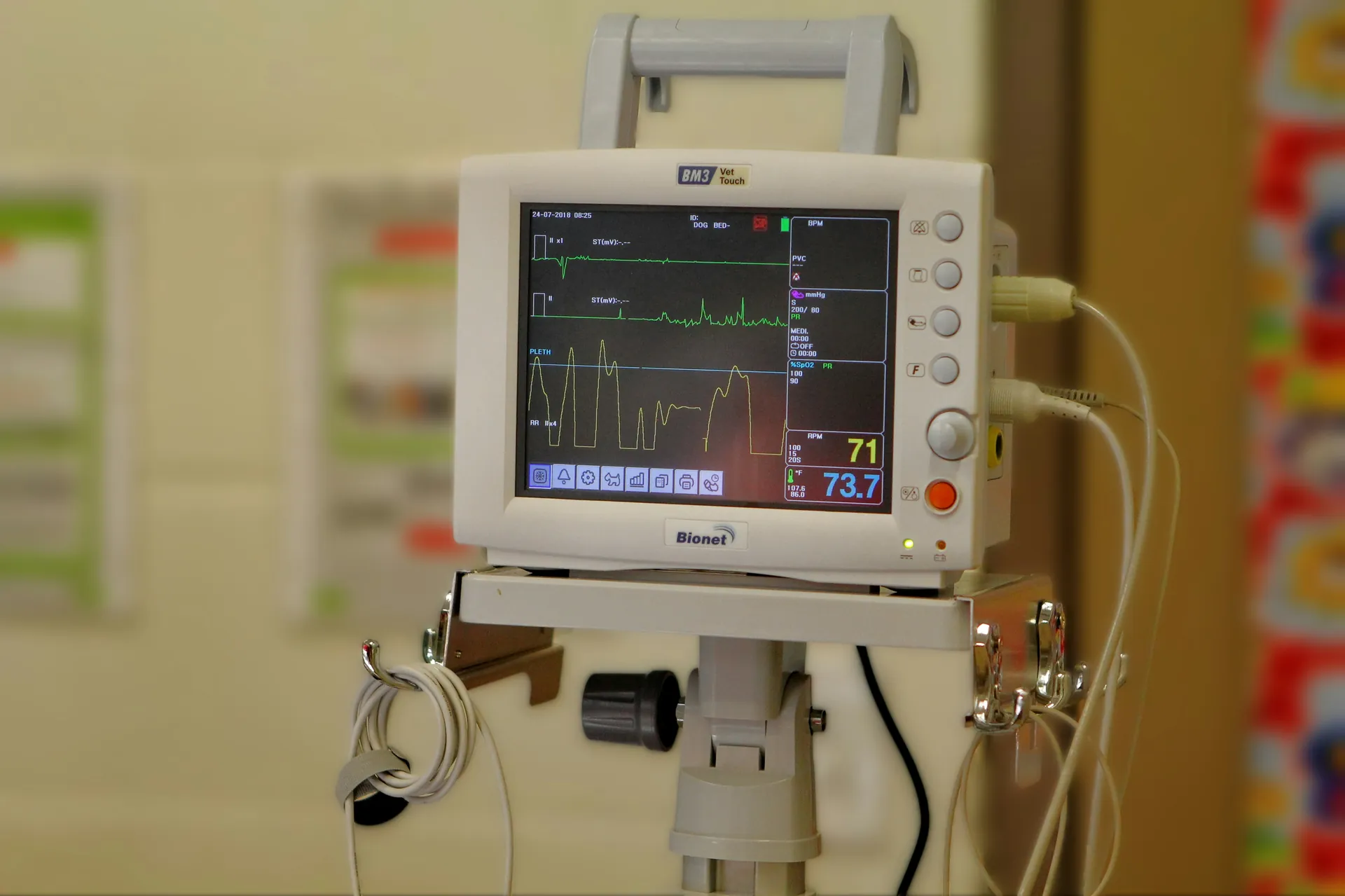
Patient Intensive Care Units (PICUs) are facing a constant increase in the number of patients suffering from chronic and complex conditions. These diseases require prolonged and multidisciplinary care.
The patients concerned often require multidimensional intensive care, combining medical and surgical approaches. This reality forces units to continuously adapt their organization and protocols to meet the specific needs of these patients, while maintaining optimal quality of care.
The Impact of Medical Demographics
Medical demographics represent a major challenge for PICUs. The growing shortage of specialist physicians and qualified paramedical staff directly affects their ability to maintain staffing ratios adapted to the complexity of intensive care.
In addition, recruitment difficulties and increased workload contribute to burnout. This phenomenon can compromise the continuity and quality of patient care.
Integration of digital and technological innovations
The adoption of digital technologies, such as remote monitoring and tele-ICU platforms, represents both an opportunity and a challenge for PICUs. Implementing these tools requires significant investment, appropriate staff training, and compatibility with existing information systems.
Furthermore, ensuring equal access to intensive care, including in small facilities or those located in remote areas, requires overcoming the inequalities associated with these technological innovations.
Strengthening collaboration between different healthcare services
Strengthening collaboration between PICUs and other hospital services is essential to ensure the continuity and smooth flow of care. This cooperation must include interactions with surgical units, general medicine, as well as rehabilitation and post-acute care facilities. Close coordination allows for comprehensive patient care, optimizes resource use, and reduces hospital stays. This contributes to a better organization of the hospital system as a whole.
Conclusion
PICUs play an essential role in the intensive care chain, combining the management of complex cases with versatility.
To meet current challenges, such as the rise in chronic diseases and the challenges related to medical demographics, it is important to focus on improving the quality of care, modernizing equipment, and providing ongoing training for staff.
Ensuring optimal care requires strengthening interdepartmental collaboration and integrating technological innovations.
FAQ
What are the main differences between a Multipurpose Intensive Care Unit (PICU) and a standard intensive care unit?
A Multipurpose Intensive Care Unit (PICU) is integrated into an intensive care unit and has with identical equipment. It can be converted into intensive care beds depending on activity and focuses on general critical care. In contrast, a standard intensive care unit treats multiple and prolonged organ failures, often more specialized and severe.
What types of patients are primarily treated in a PICU and what are the admission criteria?
The Multipurpose Intensive Care Unit (PICU) primarily admits patients requiring close monitoring due to medical or surgical conditions that can lead to acute organ failure. Admission criteria are based on clinical severity, with continuous monitoring aimed at stabilizing the patient. This care is often temporary, pending possible resuscitation or a return to the original ward. What are the recent or upcoming reforms concerning the organization and operation of Intensive Care Units (ICUs)? The recent reform of ICUs aims to modernize the authorizations for critical care activities. It provides for the merging of Intermediate Care Units (ICUs) with Intensive Care Units within contiguous ICUs, under a unified national system. This reform clarifies the gradation of care, strengthens medical teams, and mandates the presence of physicians trained in critical care available 24/7. These measures will come into effect on November 1, 2023.
How is the medical and paramedical team in the Intensive Care Unit (ICU) organized to ensure optimal and continuous patient care?
The ICU team is composed of physicians trained in critical care, specialized nurses, nursing assistants, as well as physiotherapists and psychologists. It is organized to ensure continuous and safe care. It guarantees continuous care through post-operative monitoring, high-performance equipment, and a computerized patient record. This organization ensures optimal follow-up for patients with organ failure.