Life-threatening emergencies are an absolute priority in patient care within hospital facilities, particularly in adult emergency departments. The SAUV, or Emergency Reception Room for Life-Threatening Emergencies, plays a vital role within the University Hospital by enabling the efficient management of these critical situations through rigorous organization and a highly specialized medical team.
Understanding what the SAUV is, its role, its operation, and the essential training of the healthcare team is crucial to grasping the importance of this service in the emergency care chain.
Whether you are a healthcare professional, a student, or simply curious, this article offers an overview to help you learn everything about the SAUV: its care protocols, patient admission criteria, and the emergency hospital pathway.
What is the SAUV?
Definition
The SAUV, or Emergency Reception Room for Life-Saving Urgents, sometimes called the resuscitation room, is a space specifically designed within the emergency department for the immediate care of patients experiencing life-threatening distress, whether actual or potential. This area is equipped and organized to allow for the rapid stabilization of critically ill patients before their transfer to an appropriate hospital unit. The Emergency Medical Assistance Unit (SAUV) plays a vital role in the emergency care chain. Its objective is to optimize the management of medical emergencies while reducing the risk of serious complications. The context and challenges of managing life-threatening emergencies: SAUV care is part of the broader framework of hospital emergency services, where speed and accuracy of medical assessment are key factors. The main challenge is to ensure effective airway management, continuous monitoring of vital signs, and rigorous medical assessment to enable appropriate and rapid interventions. In a demanding hospital environment, close coordination is essential between members of the medical team, specialized nurses, the emergency medical services (SAMU-SMUR), and the intensive care and inpatient departments. This collaboration is indispensable for optimizing the care of critically ill patients. Mastering emergency care procedures, managing complex situations, and medical triage are daily challenges. These challenges must be met to save lives and reduce the length of hospital stays, whether in a short-stay unit or for extended hospitalization.
The three types of emergency
First emergency
The first emergency concerns situations where the patient presents with a serious condition, requiring immediate care, but with spontaneous ventilation still effective. The patient must be transported in a supine position and receives priority attention to prevent any rapid deterioration of their condition.
This level of emergency requires rapid intervention by the medical team in the critical emergency department, and often hospitalization in a specialized unit.
Secondary Emergency
The secondary emergency corresponds to a less severe condition than the first, where the patient remains conscious and does not present with immediate respiratory distress. Hemorrhaging or other symptoms are present but manageable and do not yet pose an immediate life-threatening risk. This category, however, allows for rapid care in the emergency department, with medical evaluation and careful monitoring of vital signs.
Third-level emergency
The third-level emergency refers to cases where patients present with minor injuries or conditions, without immediate threat to vital functions. These patients are directed towards less intensive care, often through a medical consultation in the emergency department, or may be referred to specialized facilities depending on their needs.
The management of these emergencies aims to ensure appropriate care without delaying intervention for more serious cases.
How does the Emergency Reception Service work?
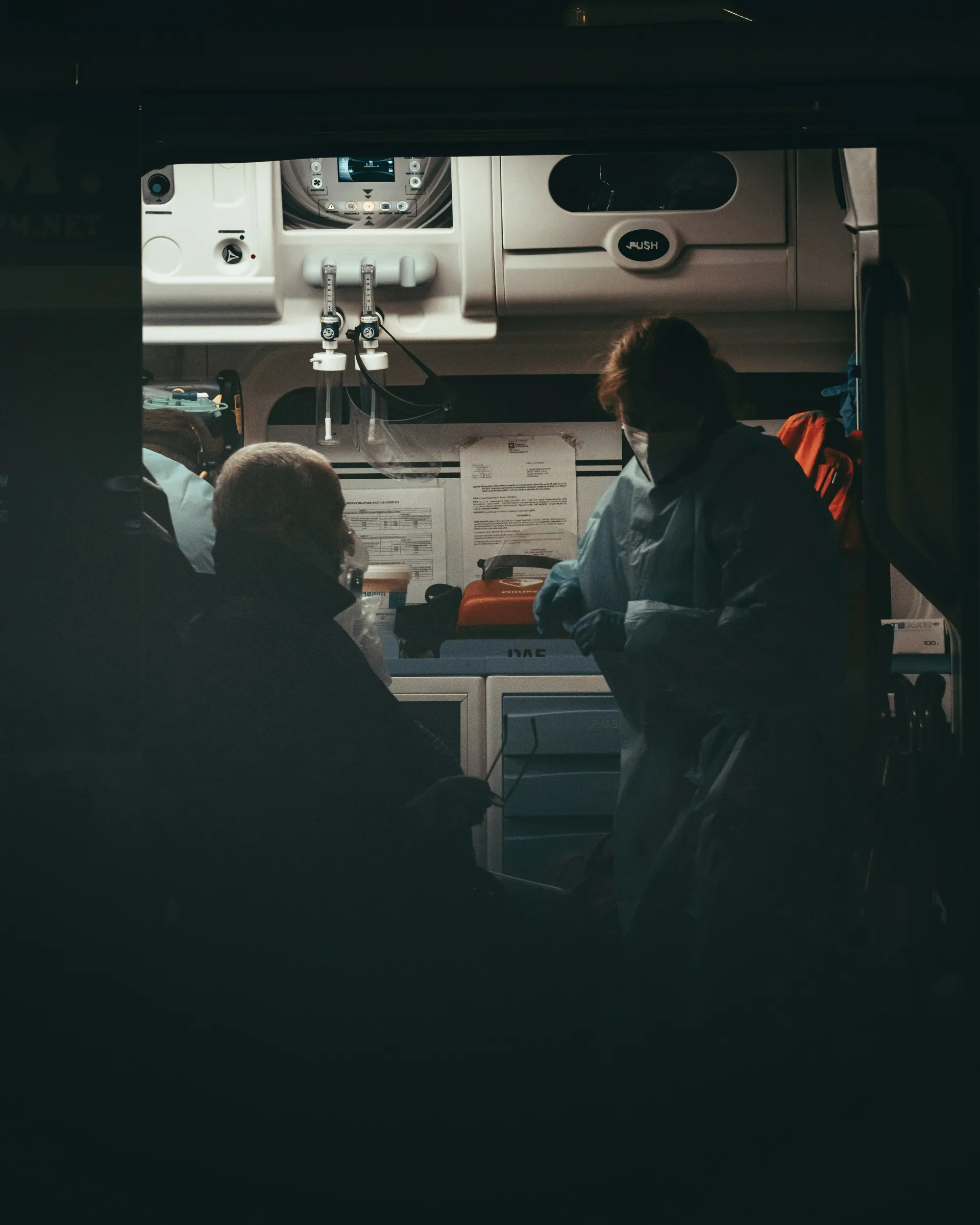
The Emergency Reception Service (SAUV) is operational continuously, 24 hours a day, to guarantee rapid and appropriate care for patients in critical condition. Located at the heart of the emergency department, it benefits from direct access to pre-hospital teams such as the SAMU (Emergency Medical Service) and SMUR (Mobile Emergency and Resuscitation Service), allowing for optimal coordination from the outset of care. Situated in close proximity to the care pathways, the SAUV facilitates the rapid transfer of patients to hospitalization or intensive care units, depending on the severity of their condition. This strategic location optimizes intervention time and improves the chances of survival. Within the SAUV, a multidisciplinary medical team composed of emergency nurses, emergency physicians, and other healthcare professionals collaborates closely to quickly assess patients, monitor their vital signs, and administer the necessary care. The organization also relies on specific equipment, including airway management equipment, advanced monitoring devices, and, in some cases, tools such as intraosseous devices for complex vascular access. The management of life-threatening emergencies in this department is based on precise protocols and rigorous medical oversight. This allows for the determination of the severity of each situation and the adaptation of care accordingly. This regulation also facilitates collective decision-making between the different teams—both internal and mobile—to direct the patient to the most appropriate hospitalization unit, whether it be the Short-Stay Unit, the Intensive Care Unit, or another specialized unit.
What are the admission criteria for the Emergency Department?
Admission to the Emergency Reception Room (SAUV) is strictly reserved for patients in a situation of life-threatening distress, whether actual or potential. The decision is made primarily by the emergency department physician, who relies on rigorous clinical procedures and validated severity scores, such as the Glasgow Coma Scale or the Pediatric Trauma Score. Depending on the context, this decision may also involve collaboration with the triage nurse, the emergency physician, or the SAMU medical dispatcher. Admission criteria are based on a thorough medical assessment to identify any situation requiring immediate and intensive care. The patient must present a risk of failure of at least one vital function: cardiac, respiratory, neurological, or hemodynamic. The department is also equipped to manage pediatric life-threatening emergencies, with specific criteria and scoring systems adapted to this population. Outside of these situations, admission to the Emergency Department for internal emergencies remains exceptional and depends exclusively on a strict decision by the attending physician. These rules ensure that the SAUV retains its primary purpose: to intervene quickly and effectively in life-threatening emergencies. This includes access to a specific medical and technical organization, essential to ensure optimal care and reduce the length of hospital stay in a suitable unit.
Patient's Journey within the SAUV: Steps and Protocols
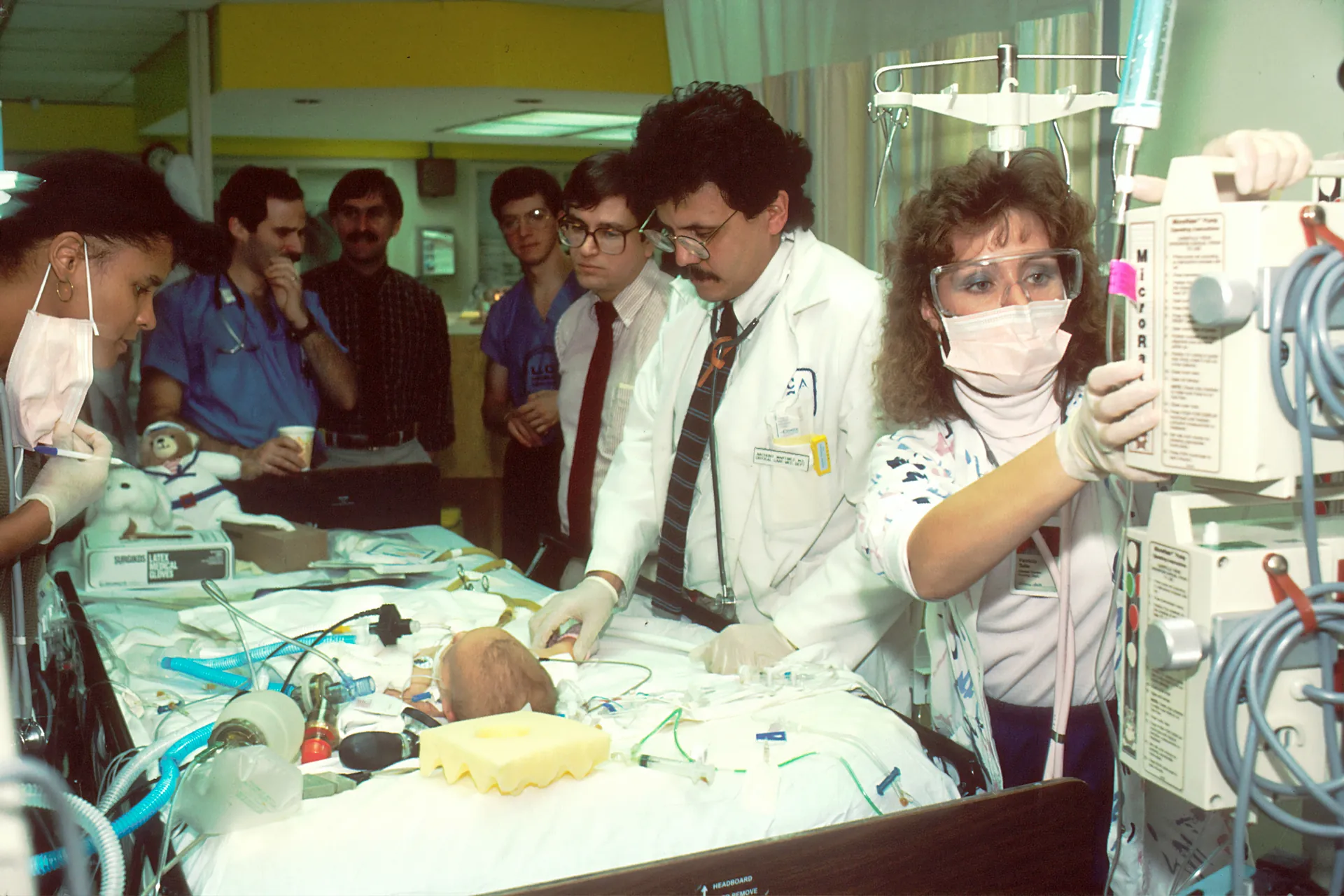
A patient's journey within The Emergency Reception Room (SAUV) follows clearly defined steps, designed to ensure rapid, safe, and appropriate care based on the severity of the patient's condition. Upon arrival, the patient receives an immediate medical assessment, based on the analysis of essential vital signs such as heart rate, oxygen saturation, and neurological status. The main objective is to identify any life-threatening emergency without delay in order to prioritize care. After this initial assessment, the patient is cared for by a multidisciplinary team, composed of emergency physicians, nurses specializing in emergency care, and, if necessary, other professionals such as medical dispatchers. These experts follow rigorous protocols, such as those recommended by the French Society of Emergency Medicine (SFMU). These protocols include airway management, the administration of emergency treatments, and the use of specific devices, such as intraosseous devices, when venous access is difficult. Patient monitoring relies on continuous monitoring of vital signs, using appropriate methods such as cardiac monitoring or invasive blood pressure measurement. Immediate interventions are performed if the patient's condition deteriorates. The goal is to quickly stabilize the patient before transferring them to a specialized unit, such as the Short-Stay Hospitalization Unit (UHCD) or an intensive care unit, while minimizing the length of stay in the Emergency Department. Adherence to protocols also requires seamless coordination with mobile emergency teams (SMUR) or the SAMU medical dispatch center, particularly for situations requiring critical transport. This pathway, which ensures continuity of care for the patient, relies on specific and regular training for the entire healthcare team. This training allows for keeping skills up-to-date and adapting practices to clinical developments.
Medical Team and Organization of the Emergency Reception Room
The organization of the Emergency Reception Room (SAUV) is based on on a specially formed and structured medical team to meet the demands of life-threatening emergencies. The minimum staff generally includes an emergency physician, a nurse, and a nursing assistant or hospital orderly, all available at all times, day or night. This team must be able to mobilize rapidly and focus primarily on the care of patients in life-threatening distress, without the attending physician being simultaneously involved in the medical dispatch of the SAMU (Emergency Medical Service) or in the interventions of the SMUR (Mobile Emergency and Resuscitation Service). The performance of the SAUV (Emergency Medical Assistance Unit) relies heavily on the coordination among its members. Each professional has a clearly defined role, and fluid and standardized communication is essential to ensure effective care. In critical situations, the presence of a team leader is essential to organize actions, distribute tasks, and ensure the application of emergency medicine-specific protocols. This organization optimizes the management of life-threatening emergencies while improving patient safety. In addition to physicians and nurses, the team may include, as needed, medical dispatchers, pediatric nurses for pediatric emergencies, and specialized technicians to enhance the quality of care. The physical structure dedicated to the SAUV also includes a set of essential medical equipment: airway management devices, vital signs monitoring equipment, transfusion kits, and intraosseous devices to facilitate rapid vascular access. This rigorous organization and complementary roles form the basis of the management of life-threatening emergencies. They allow the healthcare team to intervene in a coordinated, rapid, and appropriate manner in critical situations, whether at the University Hospital or in any adult emergency department.
Differences between SAUV, SAU, SMUR, and SAMU
The SAUV, SAU, SMUR, and SAMU are complementary but distinct components of the emergency medical care system. The SAUV (Emergency Reception Room) is a space specifically designed to immediately manage life-threatening emergencies within a hospital department. This service specializes in stabilization and emergency care for both adults and children, directly within the emergency department. The Emergency Department (ED) has a broader scope. It admits all patients requiring urgent care, regardless of the severity of their condition. Its primary role is to ensure the triage and initial management of patients, including those whose condition is not life-threatening. Often, the ED includes the Emergency and Intensive Care Unit (EICU) as a dedicated unit for the most critical cases. The Mobile Emergency and Resuscitation Service (SMUR) is a mobile unit composed of physicians, emergency nurses, and paramedics. This team intervenes directly in the field in the event of a life-threatening emergency. The SMUR (Mobile Emergency and Resuscitation Service) is equipped to provide advanced resuscitation care and stabilize patients before their transfer to a hospital. The SAMU (Emergency Medical Assistance Service) is the medical dispatch center. It receives emergency calls, assesses the severity of situations, and coordinates the dispatch of appropriate resources. The SAMU acts as a central coordinator, directing victims to the SMUR, the SAUV (Emergency Medical Assistance Service), or other services depending on their needs. Unlike the SMUR, the SAMU does not go into the field but focuses on the overall management and planning of interventions.
In summary, the SAUV handles life-threatening emergencies directly in the hospital, the SMUR intervenes at the scene of the incident, and the SAMU regulates and coordinates all medical assistance. The Emergency Department (ED), for its part, plays a cross-cutting role by receiving and directing all urgent patients, while integrating the management of life-threatening emergencies via the Emergency Reception Unit (ERU).
Training of the healthcare team assigned to the ERU
Training of the healthcare team in the Emergency Reception Unit (ERU) is essential to guarantee rapid, safe, and appropriate care for life-threatening emergencies. Nurses assigned to the Emergency Department (SAUV) must hold a valid AFGSU 2 (Attestation of Training in Emergency Procedures and Care, Level 2), attesting to their competence in emergency procedures. The training programs include several key objectives: understanding the specific organization of the SAUV, knowing the regulations governing the role of nurses in life-threatening emergencies, mastering the management of medical devices used in the SAUV such as chest drainage, arterial catheters, orotracheal intubation, and ventilators, and knowing how to administer specific medications such as vasopressors or sedation. These training programs involve active learning methods, including simulated scenarios in near-real-life conditions. Briefing, contextualized scenarios, and debriefing. These approaches improve responsiveness and coordination within the team. Practical workshops on technical skills are also integrated to ensure mastery of specific care and optimal management of life-threatening emergencies. Furthermore, communication in critical situations is a central focus of the curriculum. It aims to ensure effective communication between the various stakeholders—physicians, medical dispatchers, specialized nurses—as well as with the patient and their family. This component strengthens the cohesion of the medical team and promotes quality of care as well as patient safety in often stressful and urgent situations. Finally, systematic assessments of acquired skills, through questionnaires and self-assessments, allow us to measure the effectiveness of the training and identify areas for improvement. These assessments guarantee continuous updating of the skills essential for working in the Emergency Department. Conclusion: In summary, the Emergency Department plays an indispensable role in the rapid and specialized management of life-threatening emergencies within hospital services. Thanks to its capacity for assessment, stabilization, and coordination with mobile teams such as the SAMU-SMUR (Emergency Medical Service), it optimizes patient survival and safety. Targeted training for the healthcare team guarantees the necessary skills to effectively manage critical situations. To fully contribute to this essential system, it is important to support and promote this specific training, while encouraging close collaboration among professionals. Your involvement can truly make a difference in managing life-threatening emergencies.
FAQ
What is the SAUV in the emergency department?
The SAUV, or Emergency Reception Room, is a dedicated space within the emergency department. It is designed to receive patients in life-threatening distress, whether actual or potential. This room allows for rapid and specialized care, aimed at stabilizing these critical situations.
What are the 3 types of emergency?
We generally distinguish three types of emergency:
- Life-threatening emergency: An immediate danger to the patient's life.
- Medical-surgical emergency: Rapid intervention is necessary, but without immediate risk to life.
- Relative emergency: Care can be deferred, as there is no immediate threat to life.
What are the 4 life-threatening emergencies?
The 4 main life-threatening emergencies requiring immediate intervention are :
- Neurological distress: For example, a deep coma.
- Respiratory distress: Such as respiratory arrest or airway obstruction.
- Circular distress: When blood pressure is unreachable or the pulse is not palpable.
- Severe hemorrhage: Significant blood loss that is life-threatening.
What is the SAUV?
The SAUV, also called the rescue room The resuscitation unit is a specialized unit within hospital emergency services. It is designed to receive and care for patients in life-threatening distress, whether actual or potential. Its primary objective is to rapidly stabilize the patient's condition before appropriate further treatment.