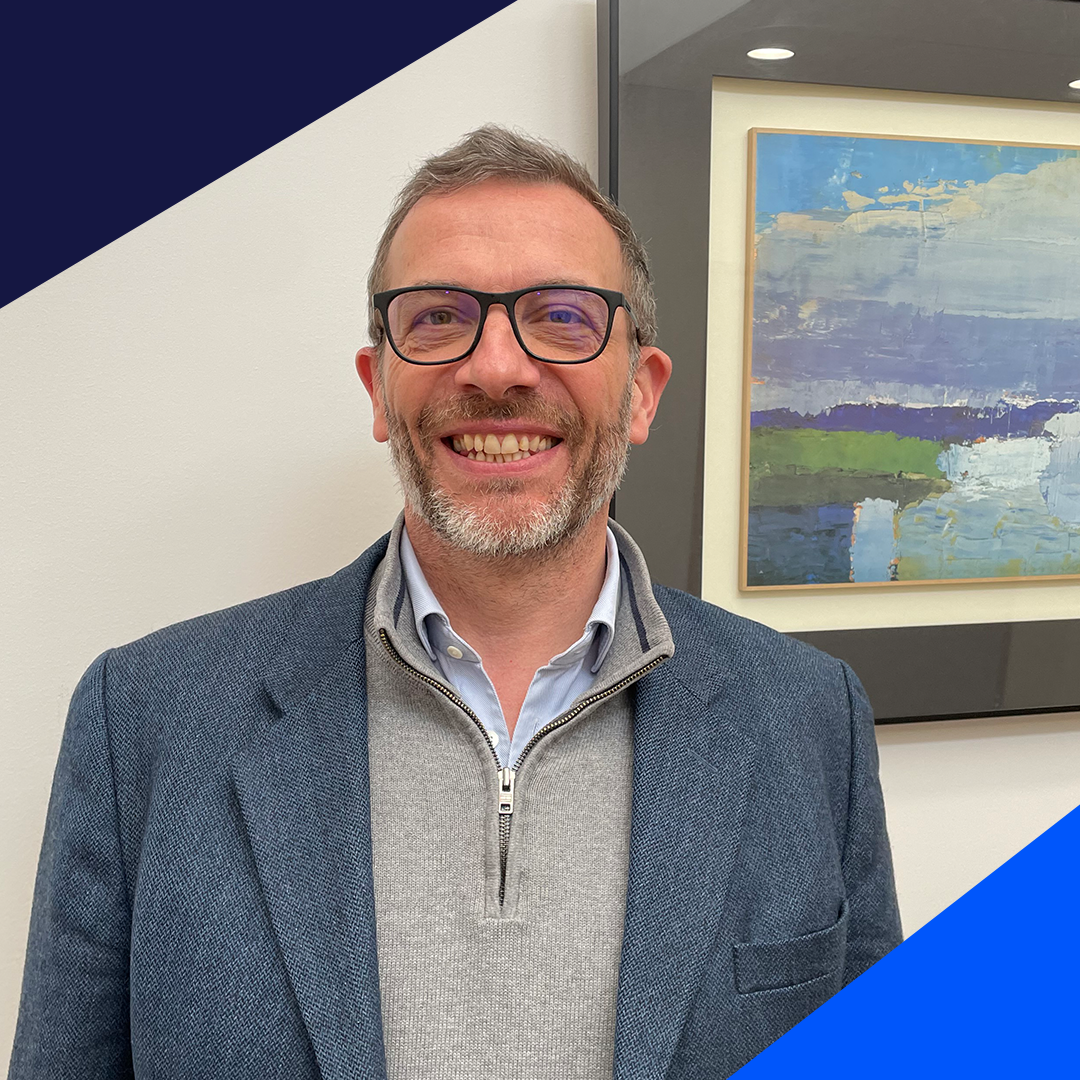
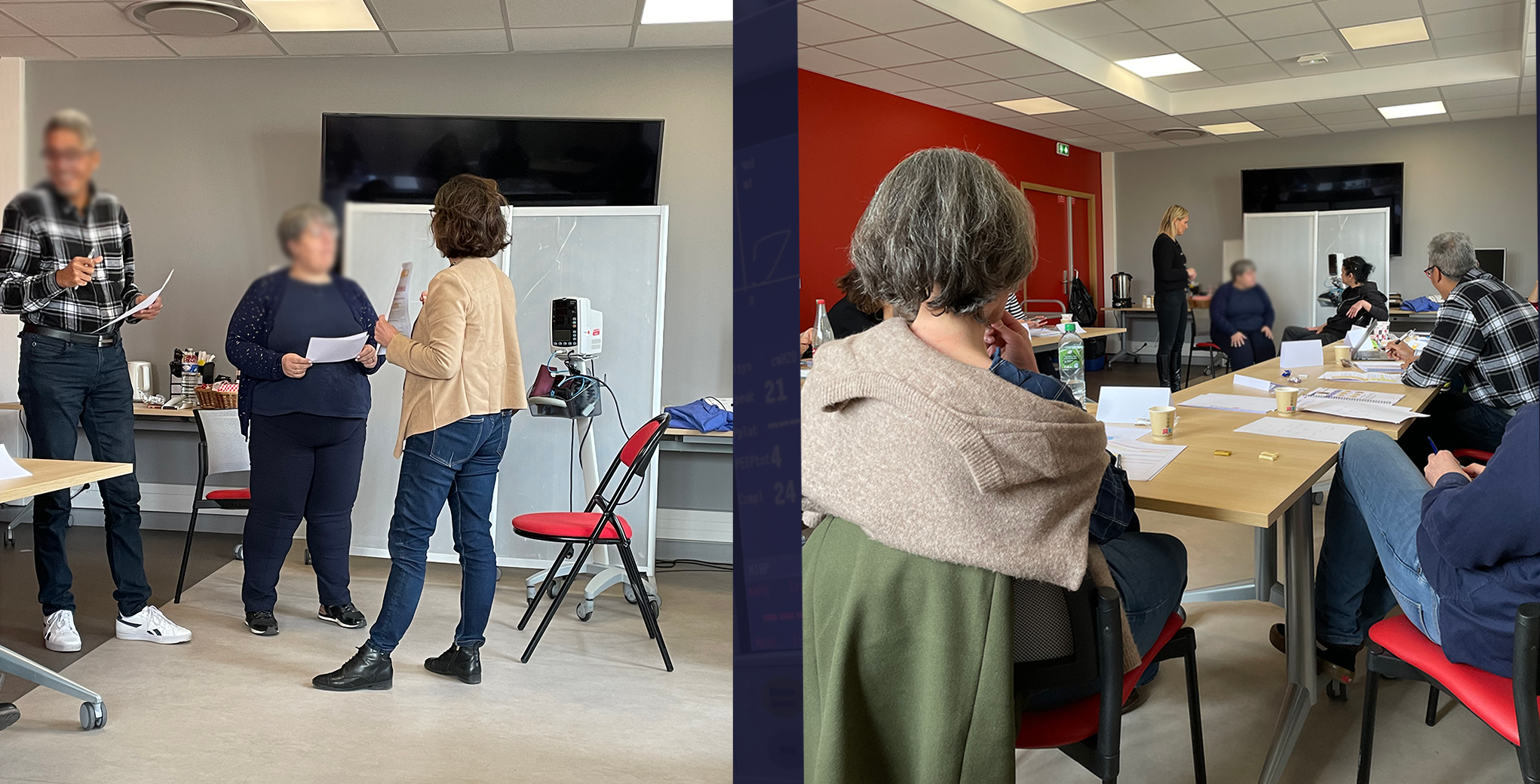
Health simulation is a particularly important subject and a an undeniable source of inspiration for the SafeTeam Academy. Our co-founders, passionate about the subject, are each trainers in healthcare simulation and trained with Dr. François Lecomte, a leading figure in the field. Frédéric and François also worked closely with Professor Bruno Debien, another expert in in-situ simulation, whose work informs the SafeTeam Academy's training programs, which create ultra-immersive simulations of healthcare professionals providing care in real-life settings. An essential tool for training in high-risk professions, it allows participants to learn technical skills and/or acquire non-technical competencies in a controlled environment. But in practical terms, What is simulation in healthcare? To better understand this training method, we had the opportunity to immerse ourselves in one of the most renowned simulation trainer training programs. France, the University Diploma in Healthcare Simulation led by Dr. François Lecomte, whom we warmly thank for his invitation. Let's start with the basics of the technique. Healthcare simulation relies on experiential learning and reflective practice (the art of questioning one's practice). Simulation incorporates training objectives, practice analysis, and/or risk management. Several simulation methods exist: organic, which relies on a living organism; synthetic, which uses mannequins; and virtual, from which our unique video-simulation format is derived. In general, simulation training sessions include: A briefing, which allows learners to discover the context of the session and its objectives. A simulation period, also called a scenario. A debriefing, a time dedicated to analyzing practices and summarizing. Other elements can be positioned before and after, depending on the objectives. The simulation is based on situations from the daily lives of healthcare professionals. The simulation must be realistic to have a real impact and facilitate the teaching and memorization of techniques. Educational sciences refer to this as perceived authenticity. The simulated scene will prompt learners to reflect and interpret, which will then be compared with their prior knowledge before the session.
The debriefing time will then serve to solidify the acquisition of this new knowledge in the minds of healthcare professionals.
The simulation: a pretext for debriefing
The debriefing is a major element of the session. It allows the group to review the simulation, share their feelings and reflections. Learning will stem from this debriefing, maturing in the minds of the learners and supporting them in their daily practice.
Dr. Lecomte emphasizes the importance of kindness, mutual listening, and positive feedback during this exchange. He also explains that these soft skills are not sufficiently developed in initial training. Dr. C., an emergency physician with the SAMU (Emergency Medical Service) and a student in the university diploma program, confirms this: “We are technicians, we tend to cling to what we know, the technical aspects.” Simulation in healthcare allows for the development of listening skills, teamwork, and emotional management. According to Dr. Lecomte, it is preferable to train beforehand, in a controlled situation without patients, to “limit the damage” in real-life situations. This technique thus offers healthcare professionals a “right to make mistakes” in their learning and allows them to question their practices. The adage "Never the first time on a patient" comes from this.
As explained previously, observing and analyzing one's own behavior and interactions with others is beneficial for healthcare professionals.
Simulation is also useful for experiencing critical or rare situations, to know how to react effectively and calmly when the time comes.
Video simulation, a hallmark of the SafeTeam Academy
Simulation in healthcare has already proven itself for several years, and its very positive impact on learning technical and non-technical skills is unparalleled.
It is based on this observation that the SafeTeam Academy has developed a unique healthcare training technique: the Video simulation. This format combines the strengths and effectiveness of healthcare simulation with the power of cinema. The highly realistic and immersive training sessions plunge the learner into simulated daily care scenarios. Video simulation becomes a new tool for debriefing. The short, asynchronous format allows learners to control their work sessions as they wish. The debriefing is then conducted remotely, synchronously, with other peers. Furthermore, the technology is simple to implement and requires no special technical skills. It is in light of these various advantages that the video simulation format is particularly well-suited to training healthcare professionals! Recent findings in cognitive science—particularly regarding mirror neurons—show that we can also learn by watching others. If you'd like to see for yourself, the team will be happy to let you try it out! id="">Sincere simulations!