When we talk about a "code red delivery", a sense of urgency and gravity immediately arises. This term refers to a critical situation where the life of the mother or child is directly threatened.
In these circumstances, every minute is precious. The speed and coordination of the medical team are essential to guarantee the safety of those involved.
The "code red delivery" is part of a color-coded system used in maternity wards to categorize cesarean sections according to their urgency. This process facilitates immediate mobilization and the adoption of measures adapted to the severity of the situation.
Understanding the "code red delivery," its causes, and the possible responses is essential.
This allows both medical teams and expectant mothers to better react to these intense moments.
The different color codes for cesarean sections
In the context of childbirth, cesarean sections are categorized according to a color-coded system designed to indicate the level of urgency and improve coordination within the medical team. In France, this system is based primarily on three codes: green, orange, and red.
Green Code: This code is the most common and designates a situation that is not an emergency. It is applied when the baby's heart rate shows few abnormalities, but the baby is having difficulty descending into the pelvis or when the cervix is not dilating sufficiently. Code Green cesarean sections are generally scheduled to be performed within one hour, while preserving the baby's health. Code Orange: This code reflects a moderate emergency. It is used when the situation requires faster intervention than a Code Green, but without reaching the severity level of a Code Red. The decision-to-delivery time in these cases is 30 minutes or less. Code Orange cesarean sections involve situations where rapid attention is essential for the health of the mother or baby, but the condition is not considered critical. Code Red: This code corresponds to a major emergency, where the life of the mother or baby is immediately endangered. In these cases, a cesarean section must be performed within 15 minutes or less. This level of responsiveness is essential to avoid serious complications, such as uterine rupture, placental abruption, or umbilical cord prolapse. Understanding "Code Red" in the context of childbirth: "Code Red" in the context of childbirth refers to the most critical emergency situation, signaling an immediate danger to the life of the mother and/or her baby. This is a condition requiring extremely rapid intervention to prevent serious complications or even tragic outcomes. When a code red is triggered, it becomes imperative for the medical team to mobilize all its resources with maximum speed and efficiency. Ideally, the time between the decision to perform a cesarean section and the birth of the child should be less than 15 minutes, and in some cases, no more than 20 minutes. The causes of a code red are numerous but always critical. Among these complications are persistent fetal bradycardia, failed instrumental delivery associated with fetal heart rate abnormalities (FHRA), suspected placental abruption (PPI), and placenta previa with massive maternal hemorrhage. Other situations include suspected uterine rupture, umbilical cord prolapse, and even maternal cardiac arrest. In such a context, impeccable coordination and seamless communication among all members of the medical team are essential. The red alert must be recorded and communicated to each healthcare professional involved in the patient's care. Generally, this alert signal is triggered by the obstetrician or midwife, often in consultation with other healthcare professionals, to ensure an optimal response to this life-threatening emergency.
Common Causes Leading to a Code Red Delivery
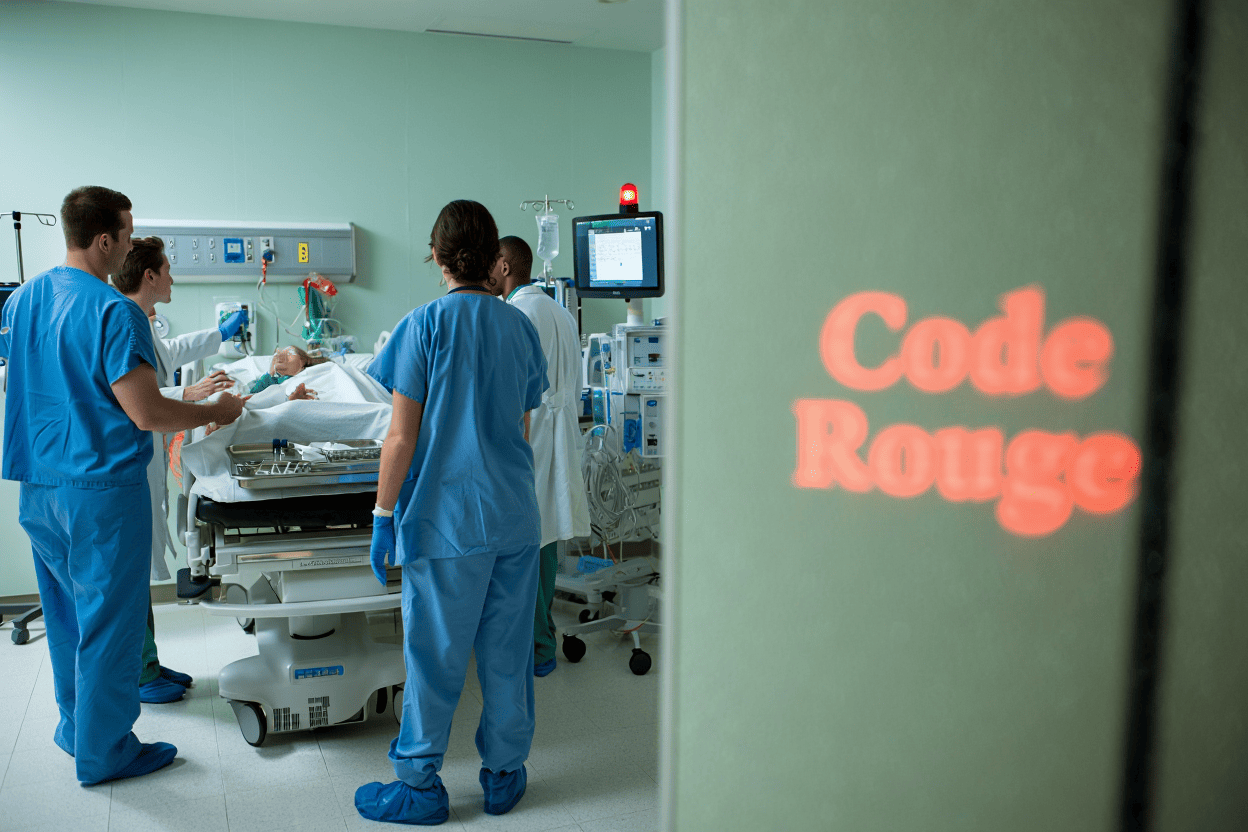
A Code Red delivery is triggered in response to situations where life The life of the mother or baby is immediately threatened. Here are some of the most common causes that lead to this extreme emergency. Maternal Causes: Certain maternal complications may require a Code Red delivery. Eclampsia, for example, is a generalized seizure occurring in a pregnant woman in the context of gestational hypertension and is a major emergency. Amniotic fluid embolism, a rare but unpredictable event in which amniotic fluid enters the mother's bloodstream, is another serious cause that requires immediate attention. Fetal Causes: Abnormalities in fetal heart rate, such as fetal bradycardia without recovery, are critical indicators that can trigger a Code Red delivery. Failure of an instrumental delivery in cases of fetal heart rate abnormalities (FHR) is also a frequent reason for performing an emergency cesarean section.
Obstetric Complications: Suspected placental abruption (PNP), placenta previa with severe maternal hemorrhage, or suspected uterine rupture are among the most serious obstetric situations requiring immediate intervention. Cord prolapse, where the umbilical cord passes in front of the baby's head and risks being compressed, is also a critical complication requiring a rapid response from the medical team. Non-Obstetric Causes: External events, not directly related to the delivery process, can also trigger a Code Red. For example, a road traffic accident or maternal cardiac arrest are rare but extremely serious situations requiring an effective and coordinated response from the healthcare team. Preparedness and Responsiveness: Key Elements During a Code Red: When a Code Red is triggered, the preparedness and responsiveness of the medical team play a fundamental role in ensuring the safety of both mother and baby. Here are the essential steps to implement in order to effectively manage such a situation.
Defining Roles and Responsibilities: It is essential that each member of the medical team clearly understands their role and responsibilities. This includes the person who initiates the code, usually the obstetrician or midwife, and those who validate it, often after consultation with other healthcare professionals. Rigorous coordination from the outset of the intervention is paramount.
Effective Communication: Communication must be clear, immediate, and precise. The Code Red announcement must be shared without delay with all relevant stakeholders. This allows for rapid mobilization and seamless coordination of all team members, which is often crucial in these types of critical situations.
Operating Room Preparation: The operating room must be ready as quickly as possible. This involves having the necessary equipment available, an anesthesia team on standby, and the meticulous preparation of surgical instruments. The speed of this preparation is essential to meet the optimal 15-minute timeframe between the decision and delivery.
Resource Mobilization: All available resources must be activated immediately. This may mean requesting additional medical support, making intensive care units available for mother and child, or alerting emergency services if the situation requires it. This mobilization must be coordinated and without delay.
Standardized Protocol: Each maternity ward must have a precisely defined protocol for cesarean sections under Code Red. It is important that this protocol not only be adapted to the specific organizational and human resources of the facility, but also regularly reviewed. Periodic updates ensure that procedures remain effective and adapted to the current challenges of care. In short, rigorous preparation and controlled responsiveness from the medical team are key to optimal management of a Code Red, thus best protecting the lives of the mother and baby. The Course of a Code Red Delivery: When a Code Red delivery is induced, the protocol follows a rigorous and rapid organization, aiming to reduce the time between the decision and the birth. Here are the different stages of this highly coordinated procedure.
Implementing Code Red: It all begins when the midwife or obstetrician decides to initiate Code Red due to a life-threatening emergency. This decision is immediately communicated to the entire medical team involved, ensuring instant mobilization.
Mobilizing the Medical Team: Activating Code Red triggers the rapid mobilization of a multidisciplinary team. This includes the stretcher bearer, nurse, midwife, anesthesiologist and possibly their resident, as well as the surgeon and their resident. Each member of this team has a specific role to ensure optimal coordination.
Operating Room Preparation: While the team organizes itself, the operating room is immediately prepared. The necessary equipment is checked and set up while the anesthesia team stands ready. The mother is quickly transferred to the operating room, where everything is already prepared for an urgent surgical procedure.
Exclusion of the Partner: Due to the urgency and the priority given to speed of execution, the partner cannot accompany the mother to the operating room. This measure aims to minimize any distractions or delays, allowing the team to focus exclusively on the care of the mother and baby.
Surgical Intervention: Once in the operating room, the procedure is performed within a very short timeframe. Anesthesia is administered quickly, and the cesarean section is generally performed in less than 15 minutes after the initial decision, under maximum safety conditions.
Post-Operative Follow-Up: From birth, the mother and baby are placed under close observation by the medical team. This includes meticulous monitoring of vital signs and, if necessary, admission to intensive care for further observation and appropriate management.
The Code Red delivery process is designed to offer the best chance of survival for the mother and her child in situations where every second counts.
Recovery After a Code Red Delivery
After a Code Red delivery, the recovery of both mother and baby is a critical stage requiring rigorous medical attention and follow-up. Here are the key points to remember about this recovery period.
Immediate Follow-Up: As soon as the procedure is complete, the mother and newborn are placed under close observation. This includes continuous monitoring of the mother's vital signs, such as blood pressure, heart rate, and respiration. Meanwhile, the baby's general condition and heart rate are carefully monitored to ensure their well-being.
Hospital Room Assistance: The first 24 hours after delivery often require assistance in the hospital room. This support allows the mother to recover from the procedure while receiving the necessary help to care for her baby. Midwives and nurses play a vital role in this recovery phase.
Intensive Care: In certain specific cases, complications occurring during or after delivery may necessitate admission to intensive care. This specialized care, dedicated to the mother or baby, aims to extend monitoring and stabilize their condition. Rehabilitation and advice: Following a Code Red delivery, the mother may need a rehabilitation program to recover properly after the procedure. This includes advice on how to get up, walk, and care for the scar. These recommendations play a major role in recovery at home and the return to normal life. Psychological support: Finally, it is important to note that this experience can be perceived as a traumatic event by the mother and both parents. Psychological support is often recommended to better manage the emotional consequences, such as stress and anxiety, related to the birthing process.
Preparing for the Unexpected: Advice for Expectant Mothers
Although every birth is unique, it's important to prepare for the unexpected so that the birth experience unfolds in the best possible conditions. Here are some practical tips to follow during pregnancy.
Get Informed and Prepare During Pregnancy: One of the first things to do is to learn about the different stages of childbirth, as well as the postpartum period. This will allow you to better understand any unforeseen events that might occur. Knowledge is a true ally for approaching this stage with serenity. Choosing a support team: Taking the time to choose a midwife and a doctor you feel confident with is essential. This medical team will be there to support you throughout your pregnancy and also after the birth, meeting your specific needs. Attending preparation classes: Childbirth preparation classes are not limited to learning how to manage contractions and breathe correctly. These courses also offer interesting alternatives such as sophrology, prenatal singing, or even acupuncture—all methods that can help reduce pain and alleviate stress.
Plan a flexible birth plan: While it's essential to have a birth plan, the importance of flexibility shouldn't be overlooked. Unexpected events are common, and being prepared to adjust your plan as circumstances change helps avoid unnecessary frustration and anxiety.
Prepare for an unexpected birth: Although this is rare, knowing how to react in the event of an unexpected birth can be extremely helpful. This includes simple actions such as calling emergency services, adopting a comfortable position, or welcoming the baby while waiting for medical help to arrive.
Don't neglect psychological support: Finally, experiencing an unexpected or emergency birth can sometimes leave an emotional mark. The psychological support provided by your partner, a doula, or a mental health professional plays an important role in managing the stress and emotions associated with this major event.
Conclusion
A Code Red birth constitutes an extreme emergency situation where every minute is of paramount importance. This code, among the various color codes designating cesarean sections, signals an immediate life-threatening risk to the mother or baby and requires immediate intervention. The key in such a situation lies in the preparation and responsiveness of the medical team. For expectant mothers, being informed, attending childbirth preparation classes, and understanding the meaning of the color codes can help them better prepare for these eventualities. Adhering to the established timeframes for the intervention and maintaining effective communication between the different members of the medical team is fundamental to ensuring optimal care. Furthermore, giving birth under a Code Red can be psychologically challenging. Preparing mentally and having strong support, whether from family or professionals, can significantly ease the burden of this experience. In conclusion, the importance of rigorous preparation and a degree of flexibility in approaching childbirth should never be underestimated, in order to better manage unforeseen events and protect this precious moment.
FAQ
What is Code Red in a Delivery Room?
Code Red in a delivery room refers to a maximum emergency where the life of the mother and/or baby is immediately at risk.
In such situations, birth must occur within 15 minutes of the medical decision, usually due to serious complications such as fetal bradycardia, uterine rupture, or severe maternal hemorrhage. What is the time frame for a code red cesarean section? In cases of severe maternal or fetal distress, the recommended time frame for performing a cesarean section is a maximum of 30 minutes, according to guidelines from the American Congress of Obstetricians and Gynecologists (ACOG) and the Royal College of Obstetricians and Gynaecologists (RCOG). However, recommendations such as those from the German Society of Gynecology & Obstetrics recommends an even shorter timeframe of 20 minutes to effectively respond to such emergencies. What does Code Red mean during labor and delivery? Code Red during labor and delivery indicates an absolute emergency that directly threatens the life of the mother and/or baby. In this case, a cesarean section must be performed within 15 minutes of the medical decision. The main causes include complications such as fetal bradycardia, massive maternal hemorrhage, uterine rupture, or umbilical cord prolapse, all of which require an immediate response.
What does a code red mean in medicine?
The term code red in medicine has a different meaning depending on the context, but it is generally used to signal the presence of a fire within the medical facility. This code then triggers a series of emergency procedures aimed at evacuating the premises and mobilizing the resources necessary to control the situation.